At least 34 migrants died attempting to cross into the Spanish territory of Ceuta from Morocco, as approximately 60,000 people entered the enclave within 24 hours, prompting emergency responses from Spanish authorities and concern from European leaders.
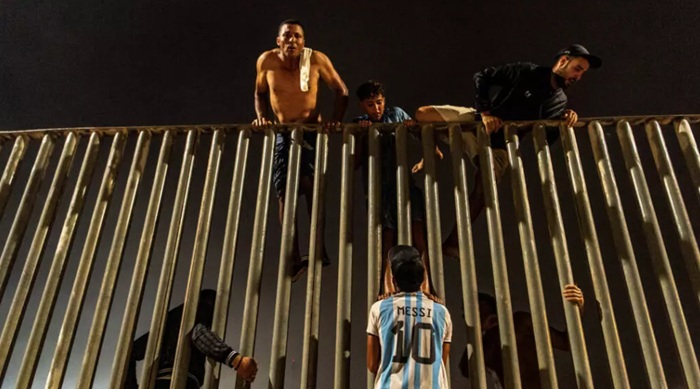
A mass migration event at Spain's North African territory of Ceuta has resulted in at least 34 deaths, according to regional president Juan Jesus Vivas. The casualties occurred as tens of thousands of people attempted to cross the border from Morocco into the enclave by both land and sea routes, including by swimming past border barriers. The exact circumstances of the deaths remain unclear, though local Civil Guard representatives reported that many drowned while others were killed in a stampede at Tarajal beach's breakwater fence. Moroccan authorities deployed water cannons and barricades at border gates, and charred vehicle remains indicated violent confrontations.
Spanish Prime Minister Pedro Sanchez visited Ceuta on Friday and characterized the crossings as a violation of Spanish sovereignty. His government mobilized resources to address the crisis, with Spain's Interior Ministry reporting that approximately 25,000 migrants had been returned to Morocco by Friday. Sanchez attributed the surge to human trafficking networks that allegedly misinterpreted a recent Spanish Supreme Court ruling regarding migrant processing procedures, claiming these groups spread misinformation across the region. However, migrant rights activists in Morocco expressed skepticism about this explanation, suggesting most migrants would be unaware of such legal developments.
The situation has triggered a broader European response and diplomatic tensions. EU chief Ursula von der Leyen condemned the events, while France announced enhanced border controls with Spain and prepared rapid intervention forces. Germany's Chancellor Friedrich Merz endorsed Spain's hardline approach to preventing undocumented migrants from reaching mainland Europe. Italy's Premier Giorgia Meloni went further, threatening to suspend the Schengen open-border agreement with Spain over border security concerns, despite Italy sharing no border with Spain.
Local officials reported severe humanitarian conditions, with thousands of migrants—including unaccompanied children—sleeping on streets or sheltering in unsafe conditions. Ceuta's regional authorities requested emergency declarations and military deployment to secure the border, though Spain's Interior Ministry declined to declare a national emergency, stating such measures do not apply to migration crises.