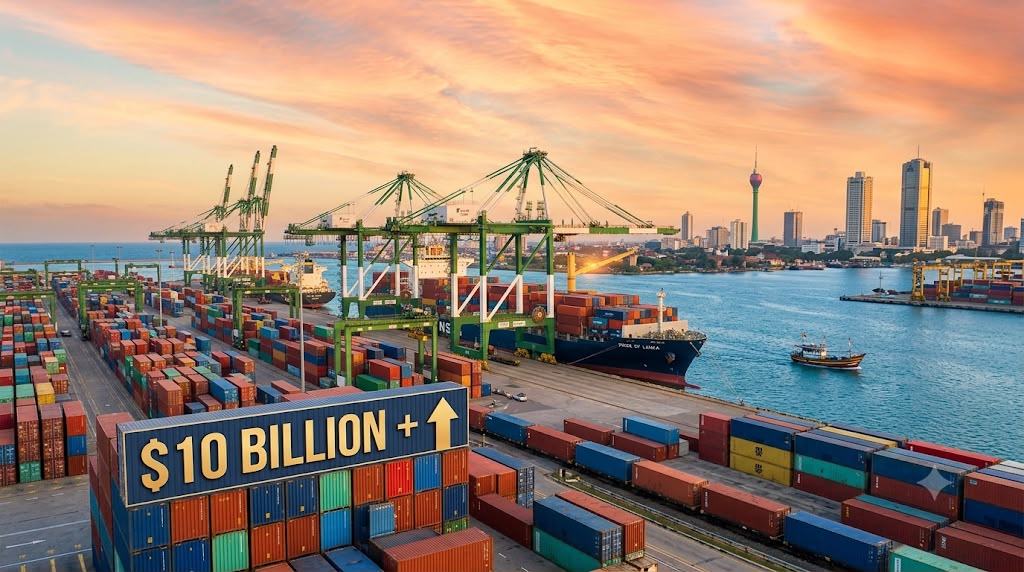
Sri Lanka's export earnings surpassed $10.4 billion in the first half of 2026, driven by merchandise exports, though the country faces mounting challenges including a widened trade deficit, reduced tourism revenue, and external current account deficits.
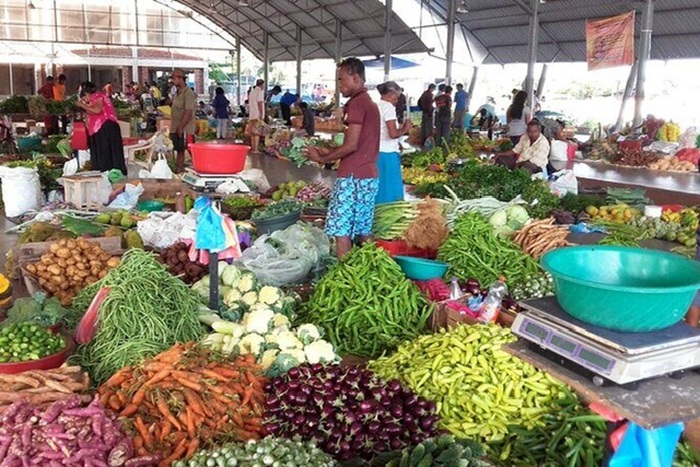
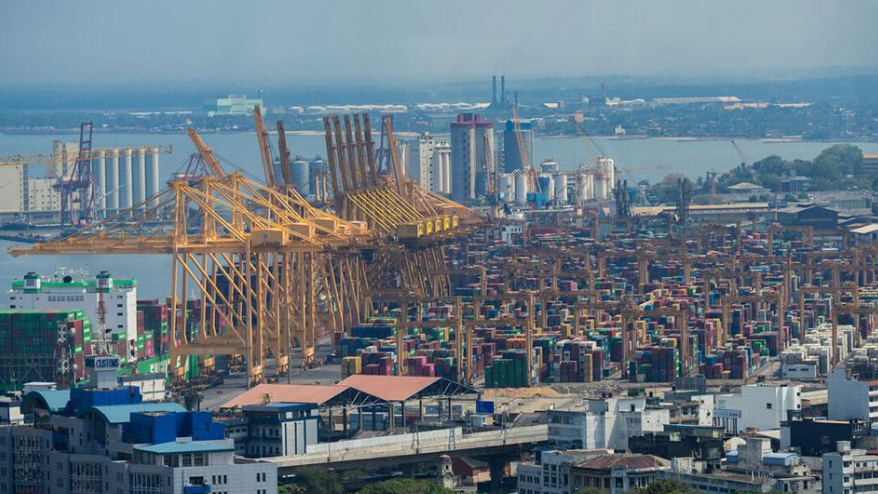
Sri Lanka's export sector recorded a milestone in the first half of 2026, with total earnings reaching US$10.4 billion, representing a 3.3% increase year-on-year according to the Central Bank's External Sector Performance report. Merchandise exports drove this growth, rising 6.3% to US$6.9 billion, though this gain was partially offset by a decline in services exports.
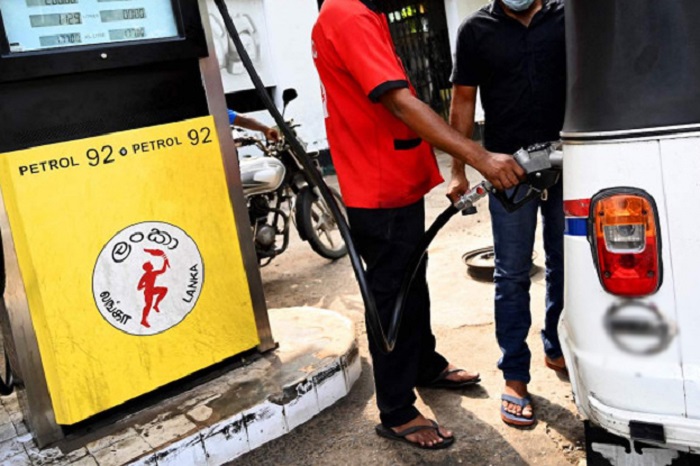
Despite the headline export figures, the country's external position has deteriorated in several key areas. The merchandise trade deficit nearly doubled to US$5.5 billion compared to US$3.3 billion in the same period last year, as import spending increased faster than export earnings. The external current account shifted into deficit territory, recording a shortfall of US$245 million during the first six months, reversing the surplus position recorded in the corresponding 2025 period. Rising fuel import costs contributed significantly to external pressures, with fuel expenditure climbing 58.8% year-on-year to approximately US$3.2 billion.
The tourism sector, traditionally a key revenue earner, contracted under strain from Middle East geopolitical tensions. Tourist arrivals declined slightly to 1.15 million visitors, while tourism earnings fell 11.8% to US$1.5 billion. However, workers' remittances provided some economic relief, surging 23.2% year-on-year to US$4.6 billion, offering crucial support amid external sector challenges.
Despite significant external debt servicing obligations, gross official reserves remained at US$6.5 billion by June's end, including China's swap facility. The Sri Lankan rupee depreciated 7.8% against the US dollar year-to-date by late July, though depreciation rates have moderated recently as external pressures persist.