Sri Lankan export officials met with European Commission consultants to discuss how the newly concluded EU-India Free Trade Agreement could affect the country's competitive position in European markets, particularly in labour-intensive sectors like apparel.
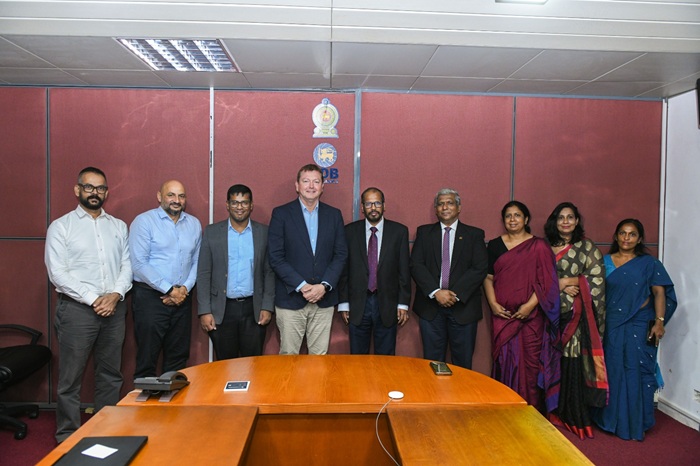
Senior representatives from Sri Lanka's Export Development Board convened with European Commission trade consultants this week to assess the implications of the EU-India Free Trade Agreement, which was finalized in January 2026 and is expected to take effect following regulatory approval and ratification procedures.
The agreement is projected to substantially enhance India's export competitiveness in European markets by eliminating tariffs on numerous labour-intensive products including garments, marine goods, leather products, chemicals, and jewellery. EDB Chairman Mangala Wijesinghe highlighted that the European Union represents Sri Lanka's second-largest export market, accounting for approximately 24 percent of the country's merchandise exports. He emphasized that Sri Lanka must maintain its preferential access through the EU's GSP+ scheme while Indian products become increasingly price-competitive following the trade deal's implementation.
Apparel industry representatives raised specific concerns regarding how tariff reductions on Indian textiles could undermine Sri Lankan garment manufacturers. They pointed to potential complications involving rules of origin and cumulation arrangements for fabric inputs sourced from India, warning that restricted access to these arrangements could further weaken local competitiveness. The EDB committed to engaging with the European Union to secure appropriate cumulation provisions that would preserve regional supply chain integration.
European Commission consultant Paul Baker suggested that Sri Lankan exporters could counter increased competition by focusing on higher-value products and strengthening compliance with evolving EU standards on sustainability and environmental performance. The EDB indicated plans to position Sri Lanka as a reliable supplier of sustainable, high-quality goods while encouraging local enterprises to differentiate their offerings and meet tightening regulatory requirements.