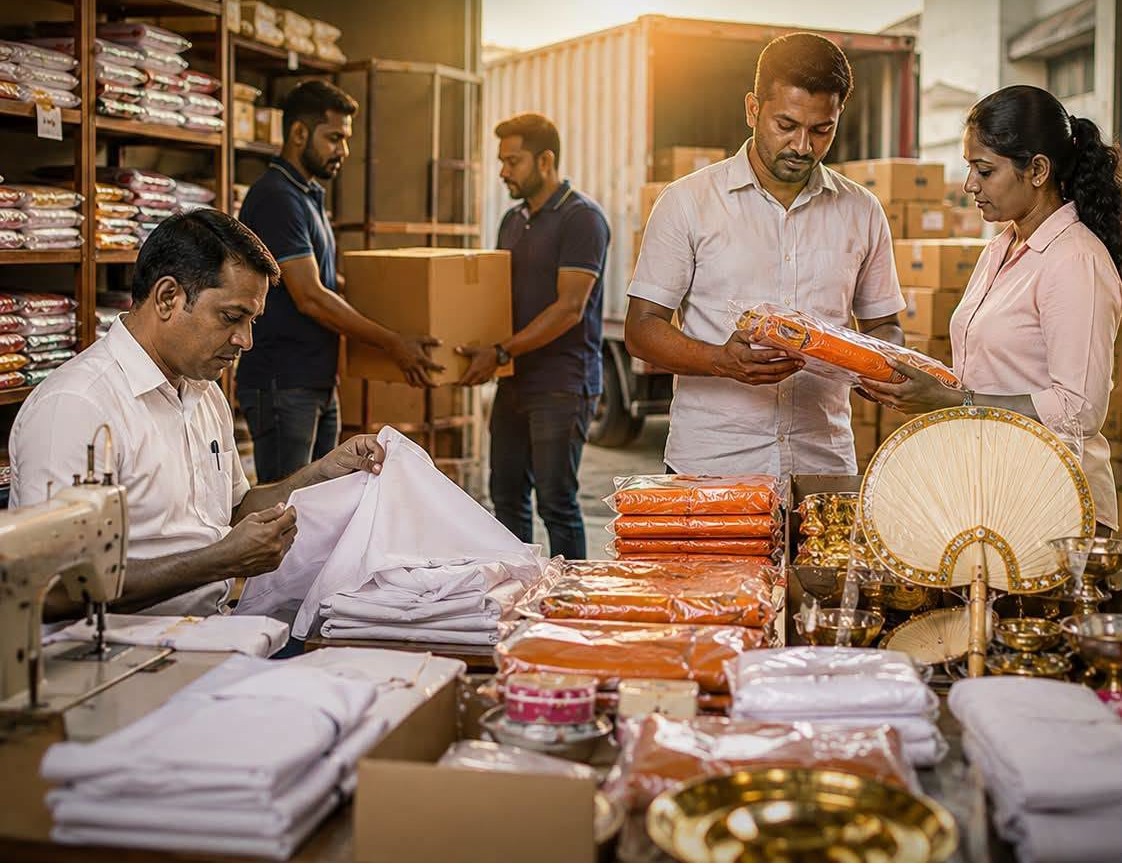
Sri Lanka has published its inaugural annual report on the Women Entrepreneurs Finance Code, marking the country's first year of implementing the initiative that aims to improve financial access for women-led and women-owned businesses.
Sri Lanka's Ministry of Finance, Planning and Economic Development has released the first annual report on the Women Entrepreneurs Finance Code, representing a significant milestone in efforts to build a more inclusive economy. The country adopted the Code nationally in March 2025 with support from the Asian Development Bank, becoming the first nation in South Asia to implement the global initiative.
According to the inaugural report, thirteen signatory financial institutions served more than 965,000 micro, small and medium-sized enterprise customers during the reporting period, with over 200,000 identified as women-owned or women-led. The institutions approved 36,087 business loans to women-led or women-owned MSMEs, totalling approximately LKR 145.5 billion. However, a notable disparity exists: while women-led businesses accounted for 30 percent of approved MSME loans by number, they represented only 20 percent of the total loan value, indicating a continuing need to scale financing for women entrepreneurs.
A foundational element of the Code is Sri Lanka's first unified national definition for women-owned and women-led businesses. The Central Bank of Sri Lanka has required financial institutions to collect and report gender-disaggregated data using this definition, establishing a consistent basis for identifying financing gaps and developing targeted solutions. The initiative addresses documented challenges facing women entrepreneurs, including limited credit access, lack of collateral, low digital adoption and difficulties formalising their operations.
Beyond finance, the Code recognises that women entrepreneurs require business planning support, financial literacy training, digital skills development and mentorship. The report introduces a Draft National Action Plan for Gender Inclusive Financing spanning May 2026 to May 2030, outlining a longer-term strategy to expand financing opportunities and strengthen the broader support ecosystem for women-led businesses across agriculture, manufacturing, exports and services sectors.