

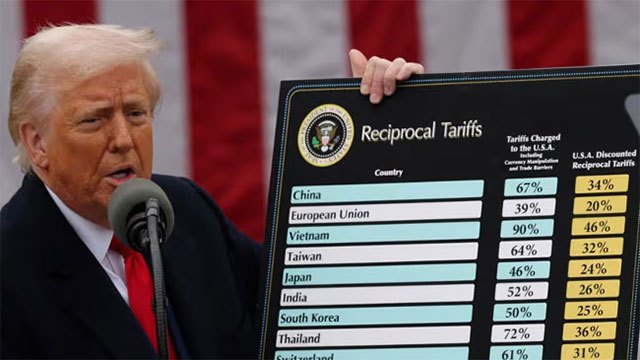
The Trump administration has refunded approximately $100 billion in tariffs to businesses after a February Supreme Court decision invalidated broad import levies, though substantial amounts remain under review or pending.
The US administration has processed roughly $100 billion in tariff refunds to businesses through customs authorities, representing approximately 60% of all tariff revenue collected under the policy, according to a filing by US Customs and Border Protection. The repayments follow a significant Supreme Court ruling in February that determined broad import tariffs invoked under economic emergency powers were unlawful.
The original tariffs had been justified through the International Emergency Economic Powers Act, a 1977 law permitting presidential regulation of trade during emergencies. However, the measures drew widespread criticism from domestic and international firms concerned about increased costs on imported goods and potential consumer price increases. Tariffs function as taxes on foreign goods collected from domestic importers at customs, with businesses typically passing these expenses to consumers through retail pricing.
Considerable refund processing remains incomplete. Nearly $29 billion in potential refunds is currently under review by trade authorities, while another $1.6 billion cannot be processed because importers have failed to provide banking information. Major corporations have already claimed substantial refunds; Amazon received approximately $600 million during the second quarter and indicated it would return portions to customers and use remaining funds to support lower store prices.
Under US customs law, only importers who directly paid tariffs may claim refunds, meaning consumer relief depends entirely on individual business decisions. The overall refund total is expected to increase as customs continues processing pending claims and importers submit required financial details. Following the court decision, Trump introduced a temporary 10% universal tariff, which expired last month and was replaced with selective tariffs on 60 trading partners based on forced labour concerns.





-849873_850x460.jpg)