Two petitions have been filed at the Supreme Court challenging the constitutionality of the proposed 22nd Amendment, with petitioners arguing that provisions extending judicial retirement ages require a referendum and could compromise judicial independence.
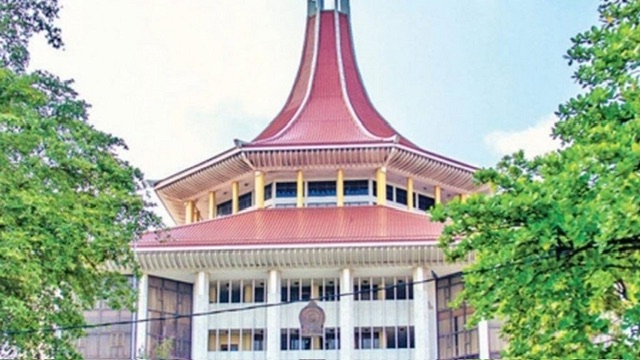
Two separate legal petitions were filed before Sri Lanka's Supreme Court on Wednesday challenging the proposed 22nd Amendment to the Constitution, which was presented to Parliament following Cabinet approval.
The Free Lawyers Organization, represented by President Maithri Gunaratne, filed one petition contending that the amendment is inconsistent with constitutional provisions. The organization seeks a court determination that any legislation stemming from the amendment must secure a two-thirds parliamentary majority and subsequent public approval through referendum.
Former Law Professor and former Parliamentarian Prof. G.L. Peiris filed a separate petition specifically targeting Clause 2 of the amendment, which proposes increasing the retirement age of Supreme Court judges from 65 to 67 years and Court of Appeal judges from 63 to 65 years. Prof. Peiris argues that applying these changes retroactively to sitting judges—including the current Chief Justice—would undermine judicial independence and the separation of powers. He contends the provision violates multiple constitutional articles and breaches established safeguards protecting judicial tenure.
Prof. Peiris has requested that the Supreme Court determine Clause 2 requires both a two-thirds parliamentary majority and popular referendum approval. He has also asked for the matter to be heard by a Full Bench of all sitting Supreme Court judges, citing the case's exceptional constitutional significance and implications for judicial independence.
Both petitions represent escalating legal opposition to the amendment ahead of its parliamentary consideration, with petitioners emphasizing concerns about maintaining constitutional protections and public input on judicial matters.