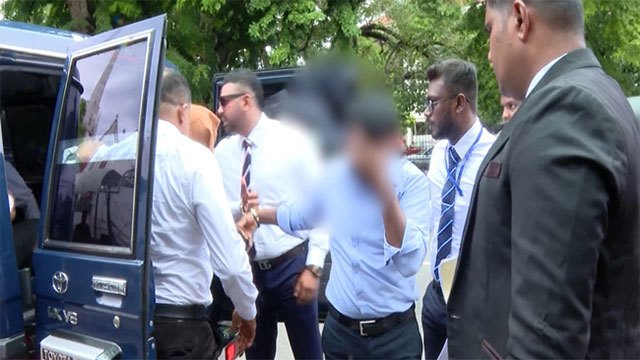
Sri Lankan authorities have arrested four officials from private banks and remanded them in custody over alleged involvement in an illegal money transfer scheme involving approximately US$1 billion sent overseas without corresponding imports.
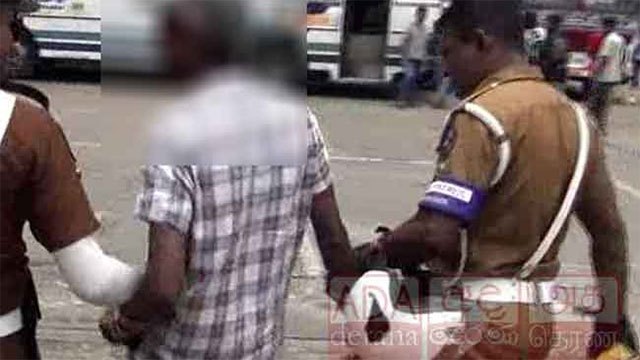
Four officials employed by separate private banks in Sri Lanka have been ordered to remain in custody until August 20 following their arrest by the Financial Crimes Investigation Division. The arrests relate to an alleged Undiyal money transfer operation in which large sums were transferred overseas without legitimate accompanying imports of goods into the country. Investigators described this as the first known instance of bank officials being arrested at their respective institutions in connection with such an investigation.
According to the Criminal Investigation Department, the scheme was orchestrated by Jeffrey Mohamed, who is alleged to have links to organized crime and bank-related financial fraud. Mohamed reportedly established approximately 36 companies claiming to import goods into Sri Lanka and approached the four banks to open accounts for these entities. Investigators told court that while money was transferred abroad ostensibly to pay for imports, the goods in question never entered Sri Lanka. The CID alleged that the bank officials met regularly with Mohamed, often on Fridays, and received weekly payments ranging from Rs. 30,000 to Rs. 100,000, with one official allegedly receiving Rs. 1 million on a single occasion.
Defence lawyers representing the four suspects argued that the accused were junior-level employees whose responsibilities were limited to gathering customer information, and that verifying company legitimacy and import compliance fell to senior officials. They requested bail be granted, contending that holding lower-level staff accountable for such a large-scale operation would be unjust. The Colombo Magistrate's Court rejected these bail applications. Investigators also noted that approximately Rs. 6.5 million of the transferred funds is believed to have reached drug traffickers, expanding the scope of the investigation.