The United Nations Development Program is designing a fresh five-year strategy for Sri Lanka that prioritizes employment creation and accelerated implementation of reforms, moving beyond economic stabilization toward sustainable growth.
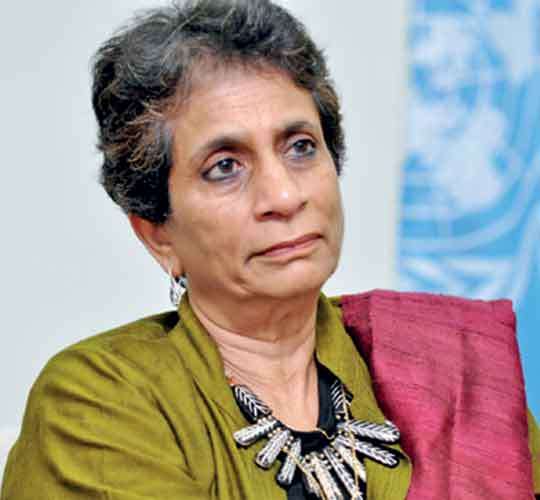
The United Nations Development Program is beginning work on a new five-year Country Program for Sri Lanka, with employment generation and expedited reform implementation emerging as central pillars. During a recent visit, UNDP Regional Director Kanni Wignaraja emphasized that while the country's economic recovery has been significant, stabilization alone cannot ensure lasting prosperity. The program, which will undergo nationwide consultations before seeking approval from the UNDP Executive Board in August next year, aims to help Sri Lanka build long-term resilience while tackling structural constraints on growth.
Wignaraja stressed that the next phase of development requires faster implementation of reforms across multiple sectors. She called for streamlined bureaucratic processes, shorter approval timelines, and quicker delivery of priority investments and policy changes. Maintaining macroeconomic stability remains essential for investor confidence, she noted, but future progress depends on improving competitiveness, raising productivity, and creating quality employment opportunities.
Job creation has become a defining focus due to significant outmigration of skilled young Sri Lankans. While overseas employment generates income and remittances, it creates gaps in the domestic workforce. Wignaraja highlighted the need to balance facilitating outward migration with mechanisms to attract talent back to contribute to local development. She described this as part of a global phenomenon seen in successful economies that maintain circular flows of talent and expertise.
The demographic urgency is acute, as Sri Lanka faces rapid population ageing. Although the country has regained upper-middle-income status, many households have yet to experience corresponding benefits. Wignaraja warned that without addressing these challenges promptly, demographic pressures could strain pension systems, healthcare, and social protection infrastructure. The new program is also expected to prioritize energy security, water security, climate action, governance reforms, and innovative financing mechanisms.