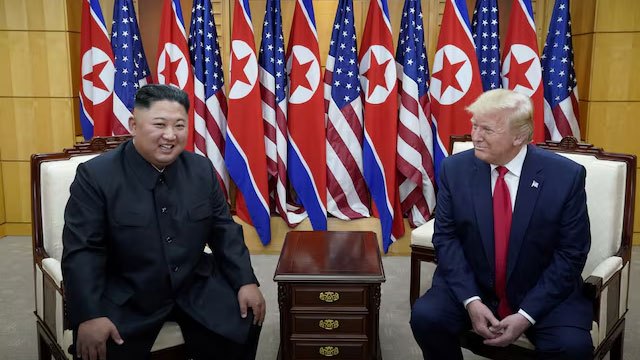

U.S. Treasury Secretary Scott Bessent announced plans for unprecedented economic sanctions on Iran, framing the measure as an alternative to large-scale military operations. The move comes amid tensions over a nearly six-month conflict that has disrupted Middle Eastern oil shipping.
The United States has signaled its intention to implement sweeping economic sanctions against Iran, with Treasury Secretary Scott Bessent declaring on Thursday that Washington would impose "the toughest sanctions in history" on the country. Bessent's announcement followed President Donald Trump's Wednesday warning of "economic warfare" and threatened consequences for any nation providing material support to Iran.
Bessent suggested that maximum economic pressure could reduce the likelihood of major military escalation. "If we are doing the maximum economic pressure, then that likely there will not be a large-scale kinetic restart," he stated, referencing military action. The U.S. Treasury chief indicated further details would be provided at a Monday press conference. The sanctions package would complement an existing naval blockade imposed in April, with a month-long pause in June.
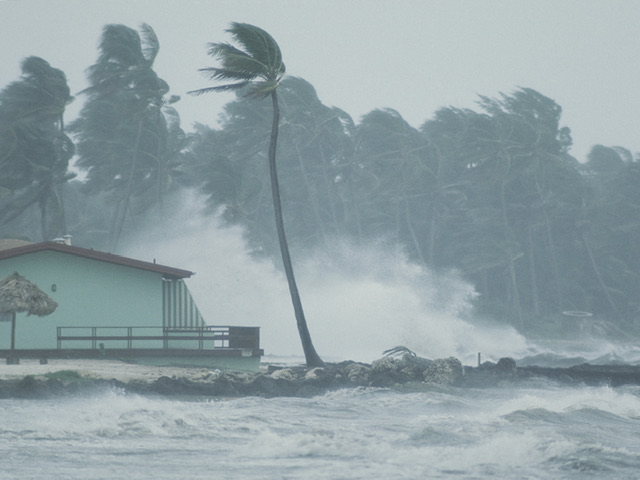
The conflict has already proven economically disruptive, with tensions disrupting shipping through the Strait of Hormuz, a critical waterway for global oil trade. Oil prices surged to three-week highs following the U.S. threats. However, previous ceasefire arrangements announced in April and June both collapsed quickly, raising questions about the effectiveness of diplomatic efforts.
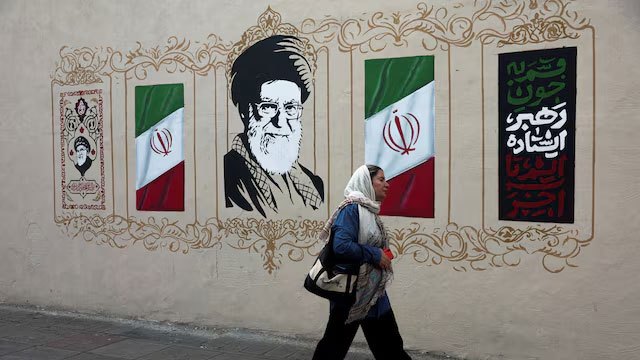
Iran's government dismissed the sanctions threat, with its foreign ministry characterizing such measures as "economic terrorism" that would not deter national resolve. Iranian Foreign Minister Abbas Araqchi accused Trump of attempting to distract from domestic U.S. economic problems. China, which purchases over 80 percent of Iran's shipped oil according to 2025 data, countered that sanctions would not resolve issues and called for political solutions. When asked about potentially targeting China, Bessent avoided direct commitment, suggesting private discussions were preferable.
The situation highlights tensions between economic containment strategies and military intervention, with Trump facing domestic pressure to end the unpopular conflict amid concerns about fuel prices affecting approval ratings.