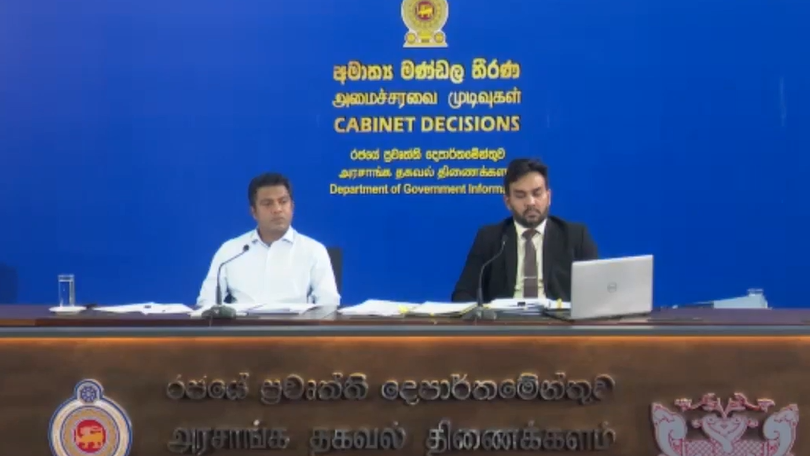
Sri Lanka's cabinet has greenlit several significant decisions on August 18, including an extradition agreement with Poland, a new counter-terrorism framework to replace the decades-old Prevention of Terrorism Act, and designation of three Port City enterprises as strategically important.
Sri Lanka's cabinet of ministers advanced multiple policy initiatives on Tuesday, according to statements from Minister Nalinda Jayatissa. The government approved a bilateral extradition agreement with Poland, enabling the transfer of convicted nationals to serve sentences in their home countries as part of rehabilitation efforts under existing legal frameworks governing prisoner exchange.
In a more contentious development, the cabinet authorized publication of the draft 'Protection of the State from Terrorism Bill' for parliamentary consideration. This proposed legislation would replace the Prevention of Terrorism Act dating to 1979, a law that has faced sustained criticism over provisions allowing prolonged detention without warrant and broad terrorism definitions. The ruling National People's Power party had campaigned on abolishing the PTA entirely, pledging in their election manifesto to eliminate "all oppressive acts." However, Jayatissa argued that while consensus exists to repeal the old law, modern security legislation remains necessary to address organized crime and terrorism threats. He claimed the new bill incorporates safeguards protecting democratic freedoms and human rights alongside security provisions.
Separately, the cabinet approved presenting gazette notifications to Parliament designating three companies as Primary Enterprises of Strategic Importance within the Colombo Port City: Marina Hotel Holdings, Prime Melva Port City, and Homelands Port City. These designations require parliamentary approval to complete statutory requirements under the Colombo Port City Economic Commission Act.