The Colombo Stock Exchange fell 0.64 percent on Tuesday as international tensions and profit-taking weighed on sentiment, while the government announced a $200 million cyclone reconstruction loan and advanced several legislative initiatives.
Sri Lanka's stock market closed lower on Tuesday, with the All Share Price Index declining 0.64 percent to 21,479.07 points. Market analysts attributed the downturn to a combination of factors, including rising oil prices and statements from US President Donald Trump regarding renewed tensions with Iran. According to research at First Capital, investors also cashed in on gains accumulated over several preceding trading days. The more liquid S&P SL20 index fell 0.72 percent, while market turnover reached 2.04 billion rupees, with capital goods driving activity at 993.8 million rupees.
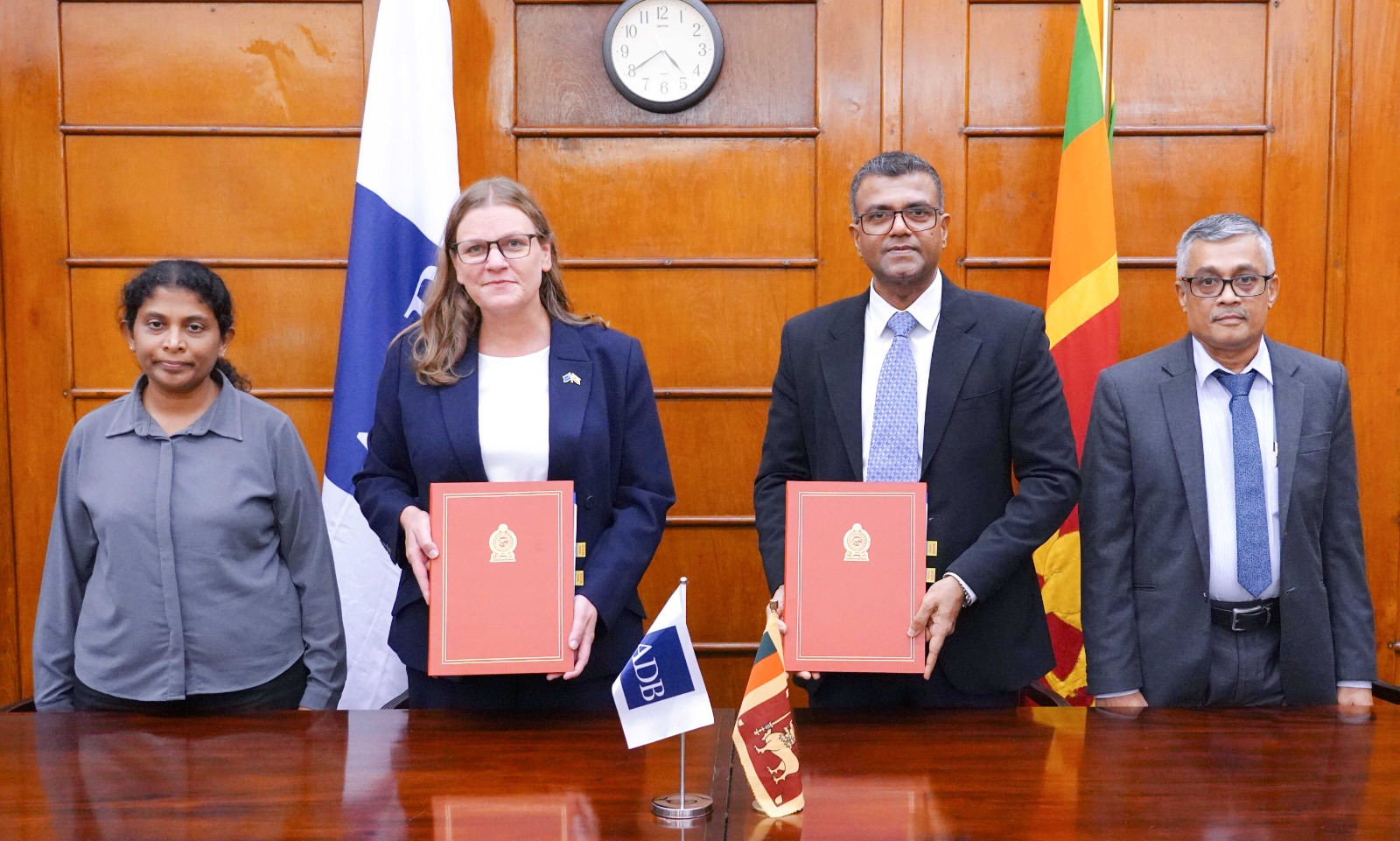
On the positive side, Sri Lanka secured a $200 million loan agreement from the Asian Development Bank to support a five-year post-Cyclone Ditwah reconstruction initiative spanning 2026 to 2030. The agreement, signed Tuesday by Finance Ministry Secretary Harshana Suriyapperuma and ADB Country Director Shannon Cowlin, will fund rehabilitation of cyclone-damaged roads, restoration of irrigation systems, and livelihood assistance for affected households. Cyclone Ditwah had caused extensive damage across vulnerable rural, coastal, and upcountry communities, destroying agricultural land and infrastructure while displacing farming and fishing families from stable income sources.
The rupee strengthened slightly, closing at 331.90/332.00 to the US dollar, while bond yields held relatively steady across the market curve. Government bond rates for longer-maturity instruments showed modest upward pressure, reflecting broader sentiment shifts in fixed-income markets.
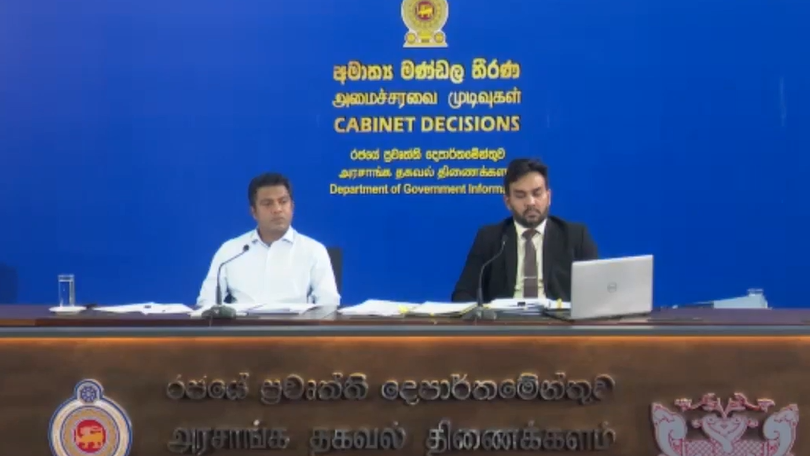
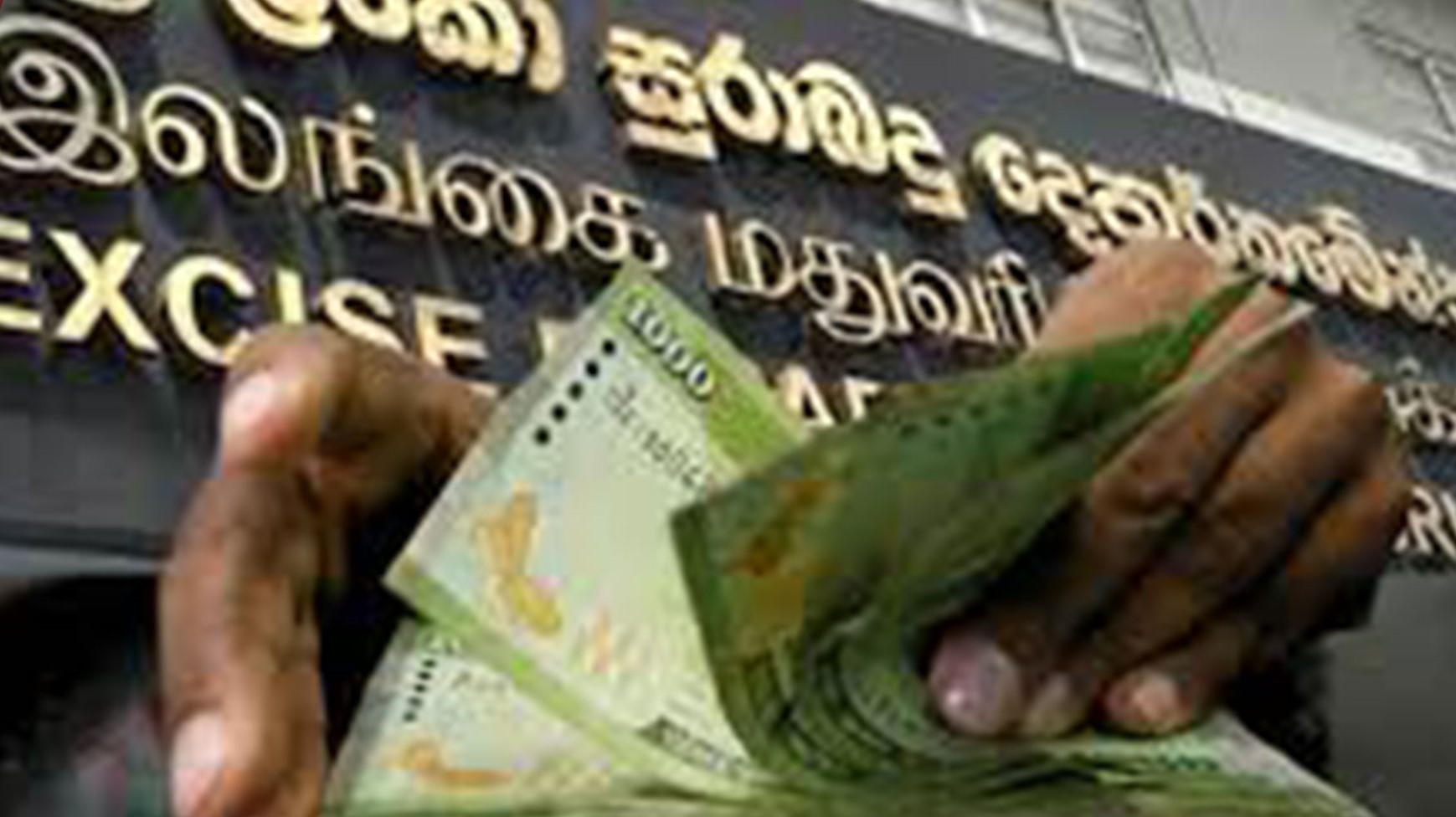
Meanwhile, the Cabinet approved several policy measures, including designations of three companies as Primary Enterprises of Strategic Importance within the Colombo Port City. The government also moved forward with legislative reforms, approving the draft Protection of the State from Terrorism Bill to replace the long-controversial Prevention of Terrorism Act, though government spokesperson Nalinda Jayatissa emphasised the new legislation would incorporate safeguards for democratic freedoms. Additionally, Sri Lanka and Poland are set to sign an extradition agreement, and the Excise Department launched a digitalization initiative to improve revenue collection efficiency and reduce corruption.