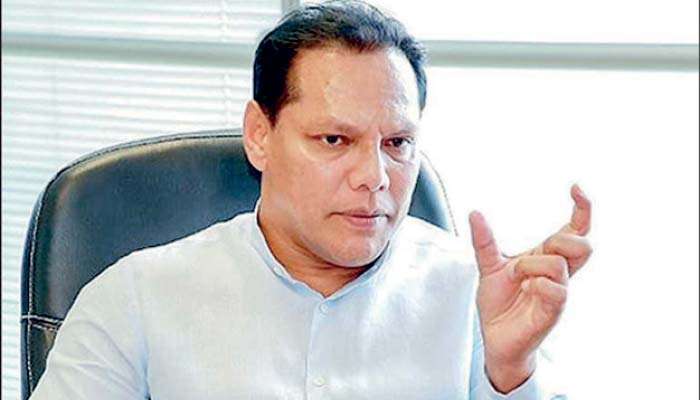
Attorney-at-Law Dayasiri Jayasekera has filed a constitutional petition contesting proposed amendments that would raise the retirement age of superior court judges, arguing the changes could undermine judicial independence and may require a public referendum.
Opposition Member of Parliament and legal practitioner Dayasiri Jayasekera has initiated court proceedings to challenge the 22nd Amendment to the Constitution, focusing on provisions that would alter the retirement ages of judges in Sri Lanka's superior courts. The proposed changes would extend the retirement age for Supreme Court judges from 65 to 67 years and for Court of Appeal judges from 63 to 65 years.
Jayasekera's primary concern centres on whether these new retirement ages would apply to judges already serving on the bench. He argues that the legislation lacks clear transitional provisions protecting incumbent judges from tenure extensions, raising questions about whether such changes could compromise judicial independence and security of tenure. The petition invokes constitutional principles related to the sovereignty of the people and the separation of powers, suggesting that modifications to judicial tenure represent more than merely administrative adjustments.
A central issue in the case is whether the amendment triggers requirements beyond the standard two-thirds parliamentary majority typically needed for constitutional changes. Jayasekera contends that certain provisions may fall under Article 83 protections, potentially necessitating approval through a public referendum. He also raises concerns about possible amendments introduced during Committee Stage debates that could substantially alter the Bill's application without proper constitutional scrutiny.
The Government has defended the reforms as part of broader systemic improvements aimed at strengthening judicial capacity and reducing case backlogs. President Anura Kumara Dissanayake recently rejected suggestions that the changes targeted particular individuals, characterising them instead as comprehensive judicial system reform. However, Jayasekera's petition underscores ongoing tensions regarding how judicial reforms interact with constitutional protections for judicial independence and the principle that the Supreme Court itself may face conflicts of interest in ruling on legislation affecting judicial tenure.