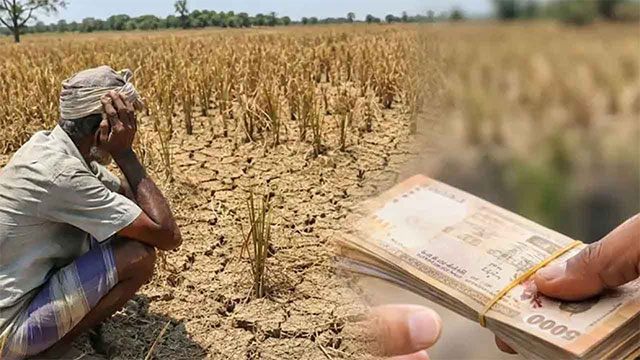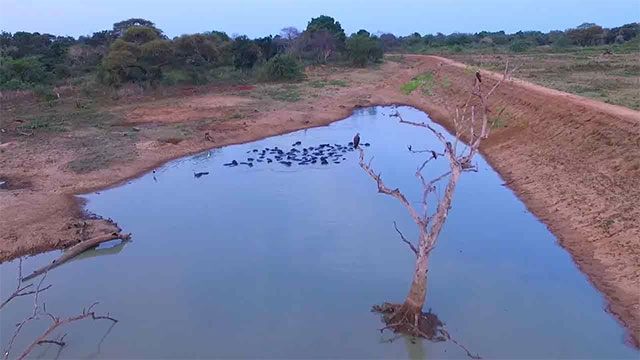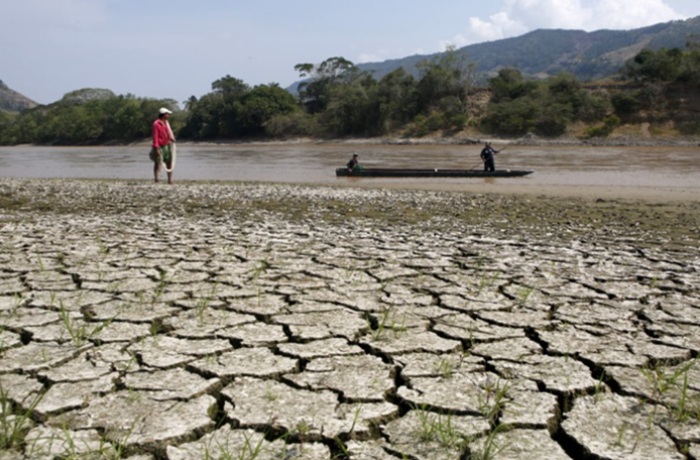
An ongoing El Niño phenomenon has impacted more than 25,000 families across seven districts in Sri Lanka, with authorities distributing drinking water and implementing relief measures while drought conditions are expected to persist until late September.
The El Niño weather pattern has created widespread hardship across Sri Lanka, affecting multiple districts and leaving tens of thousands of people without adequate water supplies. According to the Environment Ministry, 22 to 23 Divisional Secretariat divisions across seven districts have experienced dry conditions, impacting approximately 25,500 families representing over 81,000 individuals. The Disaster Management Centre and Environment Ministry have coordinated responses, though their figures show minor variations in the exact number of affected families and divisions.
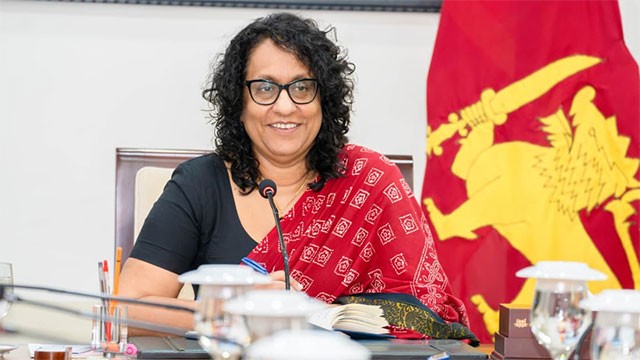
Government agencies have initiated emergency water distribution to mitigate the crisis. The Disaster Management Centre reported that drinking water has reached 23,048 families across 20 divisions, with the most significant relief efforts concentrated in three districts. Monaragala District received the largest share of assistance, with water supplied to over 10,000 families. Batticaloa District saw similar scale operations, while Ampara District received smaller allocations. Environment Minister Dammika Patabendige noted that approximately 20,000 families have already received water supplies following coordination with local administrators.
Authorities anticipate the dry conditions will continue through September, with rainfall expected to resume from October onwards. The government has outlined a broader strategy to address prolonged drought risks, including water conservation measures and tank renovation planned for the February-April 2027 period when further drought is forecast. Farmer awareness programs have commenced to adjust cultivation practices during the dry spell. Minister Patabendige emphasized that multiple government ministries and departments are collaborating under a national operational plan, while cautioning against exaggerated disaster reporting. He also noted that other climate phenomena, including the Indian Ocean dipole, have provided some favorable effects on the country's weather patterns.