A congressional audit has found that the Department of Government Efficiency overstated its cost-cutting achievements, with many claimed savings lacking proper documentation or verification.
The Government Accountability Office has released a critical review of the Department of Government Efficiency's (DOGE) assertions regarding taxpayer savings, concluding that numerous figures presented on its public "Wall of Receipts" tracker are either inaccurate or lack sufficient supporting evidence.
DOGE reported cumulative savings of $110 billion across various government contracts, grants, and leases during its operations from January 2025 until its closure last month. However, the GAO audit found that the department failed to provide transparent methodology for calculating 96 percent of its claimed savings. The watchdog identified specific problematic cases, including 108 of 264 lease terminations that were already underway before DOGE was established, accounting for approximately $15.3 million of the claimed $53.5 million in lease-related savings. Additionally, DOGE reported $1.7 billion in savings from ending a defence department IT services contract that was never actually terminated.
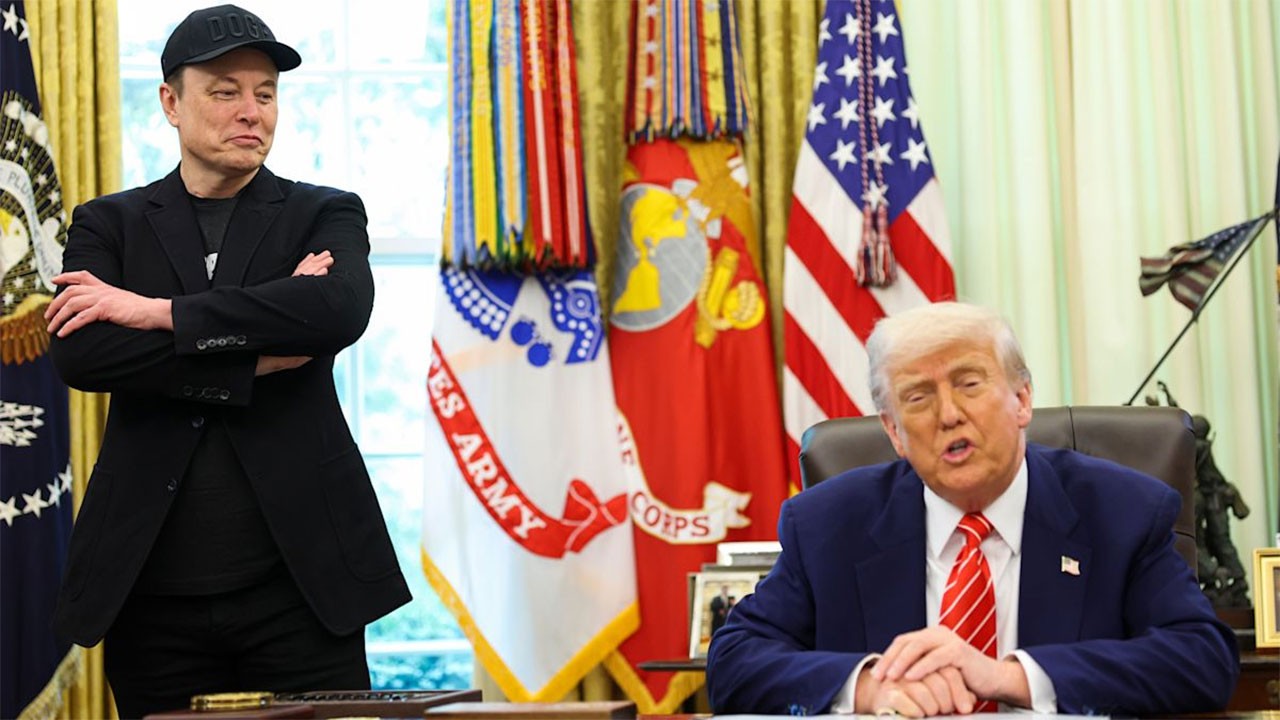
Elon Musk, who led DOGE before departing in May 2025, had initially promised reductions approaching $2 trillion annually through federal workforce cuts and programme eliminations. The actual figures fell considerably short of this projection, with DOGE's own estimates claiming $214 billion in total savings by the time of its closure.
Democratic Senator Gary Peters, who requested the audit, characterised DOGE as "a slapdash and deceptive effort that misled the American people." The White House responded by noting that all employees completed ethics training and followed financial disclosure requirements. DOGE stated in announcing its closure that efforts to eliminate government waste would continue despite the formal mission's end.