Cabinet officials have met with chief religious prelates to explain a judicial reform programme that includes extending the retirement age of judges, following concerns raised by Buddhist leaders about the proposed constitutional amendment.
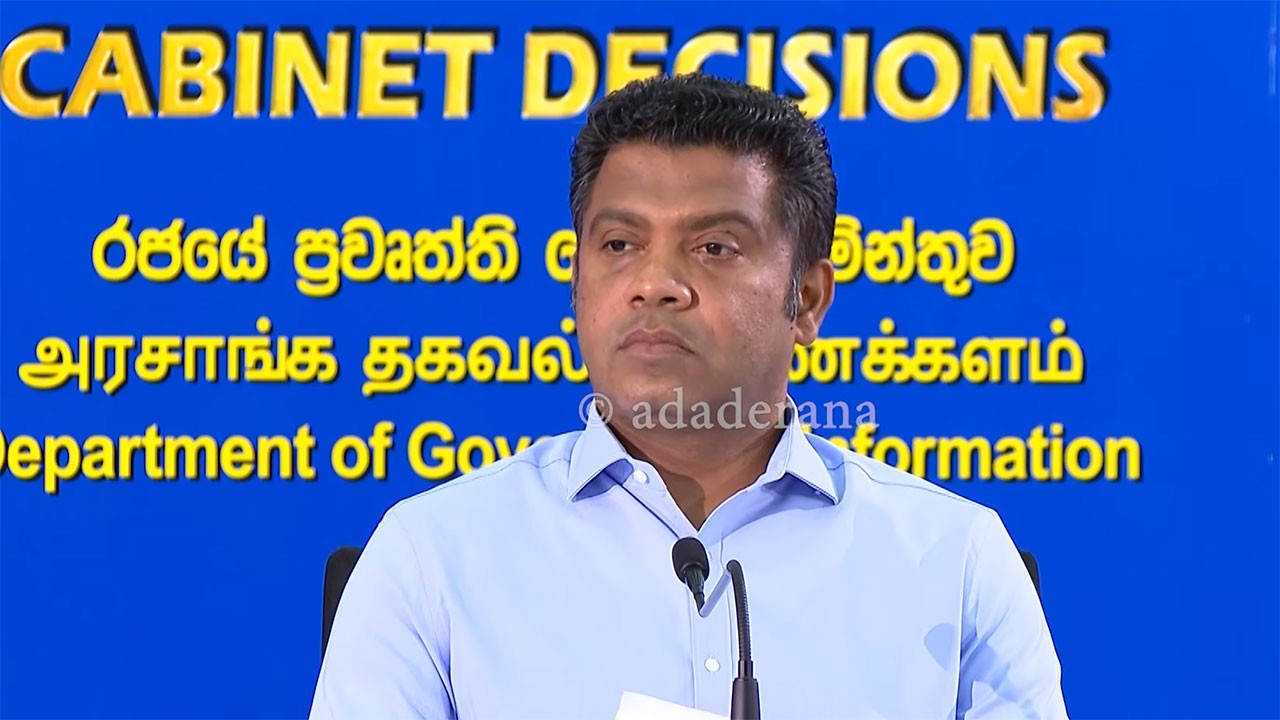
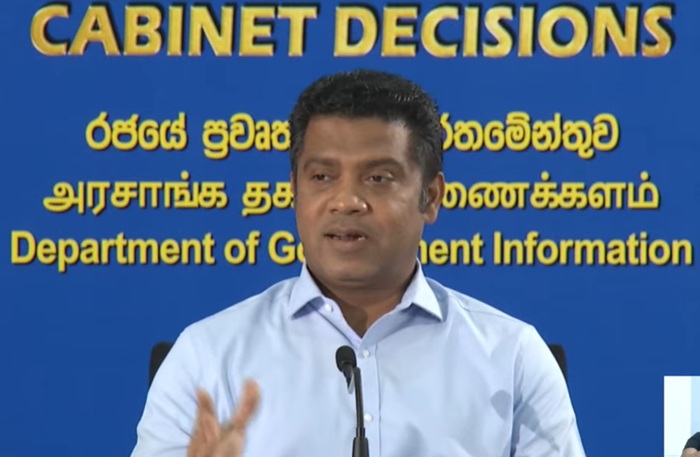
The government has engaged with the country's leading Buddhist prelates to discuss its judicial reform initiatives, according to Cabinet Spokesman Nalinda Jayatissa. This engagement followed reports of a letter from religious leaders to the President expressing opposition to a constitutional amendment that would extend the retirement age of judges.
Jayatissa stated that he and the Minister of Justice held separate meetings with the Chief Prelates of the Asgiriya, Malwathu, and Ramanna Nikayas, as well as with the Chief Prelate of the Amarapura Nikaya. During these discussions, officials presented the government's broader judicial reform agenda beyond the retirement age proposal alone.
The reform package outlined includes strengthening multiple institutions including the Judiciary, Attorney General's Department, Prisons, Government Analyst's Department, and Judicial Services Commission. Other measures focus on expediting recruitment to fill vacancies, increasing magistrate court hearings, establishing new appeal courts, digitalization of institutions, legal amendments to reduce delays, and improved allowances and facilities for judicial officers.
According to Jayatissa, the retirement age extension would apply uniformly across the judiciary, affecting approximately 400 judges from magistrate to Supreme Court level, with a two-year increase across the board. He emphasized that the proposal targets no specific individual but represents a systemic adjustment. Jayatissa reported that the religious leaders acknowledged the reform programme and expressed support for measures designed to reduce case delays and serve the public interest.