As Sri Lanka prepares for next month's IMF evaluation, opposition politicians argue the government has achieved macroeconomic stability at the cost of public welfare, with concerns about sustainability beyond 2027.
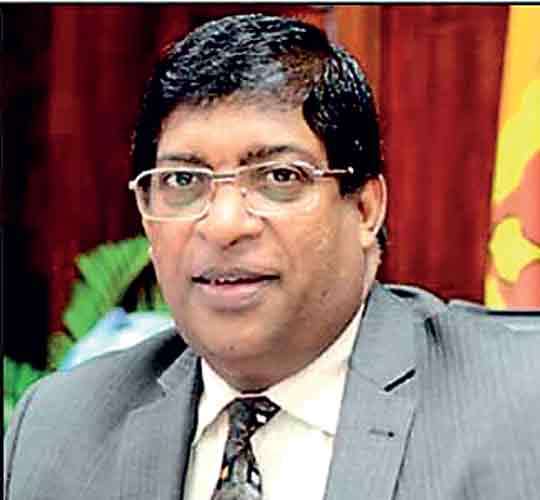
Sri Lanka confronts a fundamental tension between meeting international financial obligations and addressing deteriorating living standards, according to New Democratic Front MP and former Finance Minister Ravi Karunanayake. The government must maintain strict fiscal discipline and achieve a 15% GDP revenue target to secure the next IMF financing tranche, but Karunanayake warns that further austerity measures risk exceeding public tolerance and triggering social instability.
The country's headline gross official reserves stand at $6.59 billion, though Karunanayake contends this figure is artificially inflated by non-usable components, including a $1.4 billion currency swap with China and domestic commercial bank arrangements. The net international reserves remain negative at minus $1.268 billion, though this has improved from the IMF's review threshold of minus $2.035 billion, partly through the central bank's aggressive dollar purchases totaling $348.6 million in July alone.
While achieving the end-2026 reserve target of $8 billion appears mechanically feasible through export conversion mandates and tariff measures, reaching the government's projected $15.1 billion by 2028 presents significant challenges as restructured debt servicing resumes, Karunanayake explained. He projected that Sri Lanka will likely face a balance-of-payments crisis necessitating an 18th IMF program after the current mid-2027 conclusion.
For ordinary citizens, economic indicators mask a harsh reality. Though fuel queues have disappeared and inflation has moderated to 6.8%, prices remain at historically elevated levels while real wages have stagnated. The 18% VAT on essentials and aggressive income tax brackets have compressed disposable income, pushing formerly middle-class families into survival mode and forcing reductions in spending on nutrition, healthcare, and education.