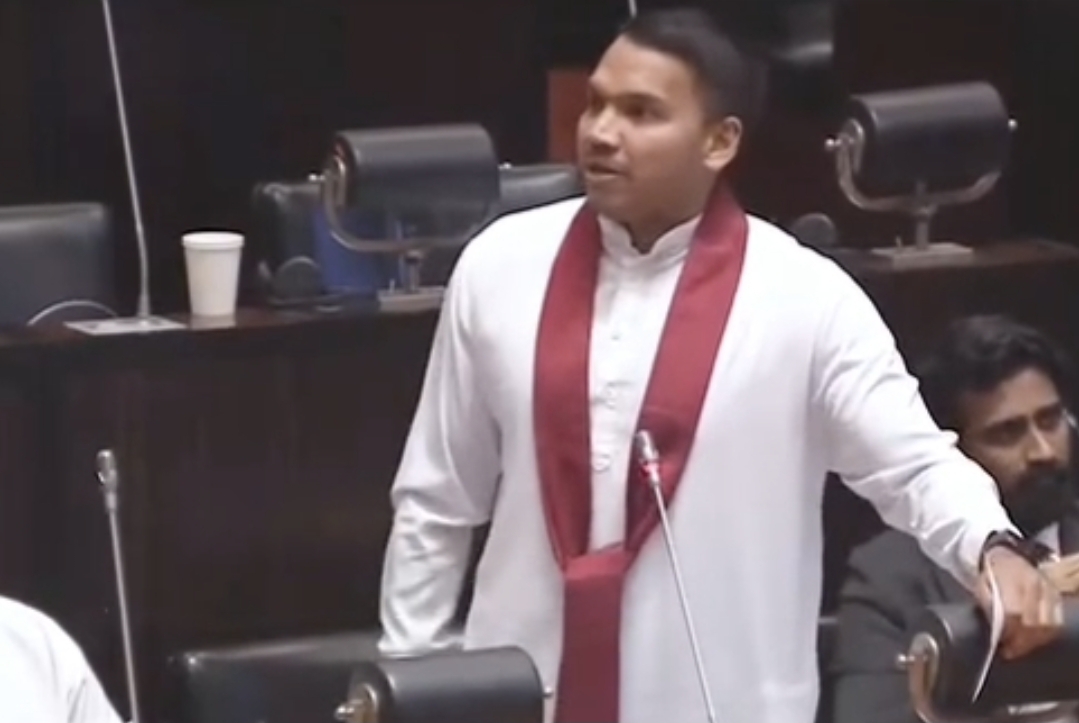
Opposition MP Namal Rajapaksa has cautioned Inspector General of Police Priyantha Weerasuriya against becoming politically compromised, while launching broad criticism of the government's handling of disaster relief, agricultural support, and cybersecurity.
Sri Lanka Podujana Peramuna National Organizer MP Namal Rajapaksa delivered a parliamentary address cautioning the Inspector General of Police against accepting political influence, drawing parallels to predecessors who faced consequences after aligning with political parties. Rajapaksa emphasized that the police service receives substantial government funding and should not be rendered ineffective through political entanglement, stating that senior officers should consider the historical precedent of IGPs who pursued similar paths.
The MP directed significant criticism toward the government's relief and support programmes. While acknowledging the stated allocation of Rs. 100 billion in assistance, Rajapaksa questioned the extent to which these funds would reach intended beneficiaries, contrasting parliamentary statements about relief measures against ongoing farmer protests regarding fertiliser availability and paddy pricing guarantees. He also raised concerns about cybersecurity failures, noting that despite government rhetoric about institutional strengthening, hackers continue to operate with impunity.
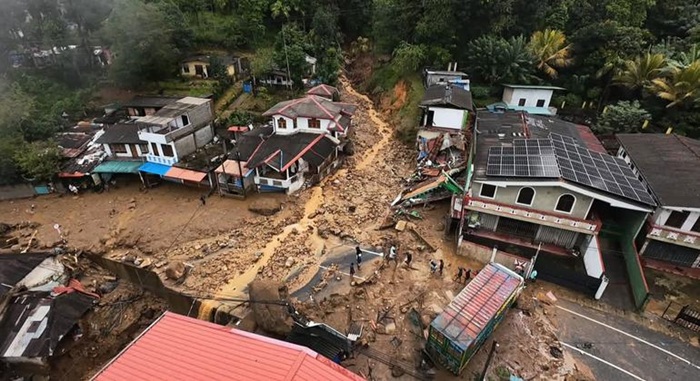
Rajapaksa addressed the government's disaster management approach, praising frontline responders while questioning the implementation of promises following previous natural disasters. He specifically referenced Cyclone Ditva, noting that communities previously warned away from vulnerable areas were subsequently allowed to return, only to face impact from the current disaster situation. The MP called for accountability regarding land allocation discussions and urged the government to consult religious leaders and stakeholders rather than attributing land scarcity to temple and shrine holdings.
Additionally, Rajapaksa highlighted agricultural sector challenges, citing fertiliser availability timing and imported rice sales during local harvesting seasons as contributing factors to farmer difficulties. He warned that dismissing agricultural grievances as politically motivated could escalate unrest and called for substantive policy responses addressing farmers' fundamental concerns.