Qatar and senior US officials say diplomatic progress is being made toward reopening the Strait of Hormuz and ending hostilities with Iran, though Tehran denies active negotiations are underway. Oil prices have fallen on the optimistic signals, but shipping attacks continue in the region.
Mediators including Qatar, Pakistan, and Oman reported advancing discussions aimed at resolving the US-Iran conflict and restoring shipping through the Strait of Hormuz on Tuesday. Qatar's foreign ministry spokesperson Majed al-Ansari described diplomatic contacts as having reached "very progressive stages," with mediators coordinating to facilitate negotiations and exchange draft proposals between Washington and Tehran.
Senior US officials echoed this optimism. Secretary of State Marco Rubio stated that while progress had been made, talks had not yet reached finality, expressing hope for a quick resolution. Treasury Secretary Scott Bessent suggested a potential agreement could be reached within days. However, Iranian officials contradicted these accounts, denying that formal negotiations with the United States were occurring. Tehran stated its discussions were limited to talks with Oman regarding the strait itself, with no major meetings scheduled for the week.
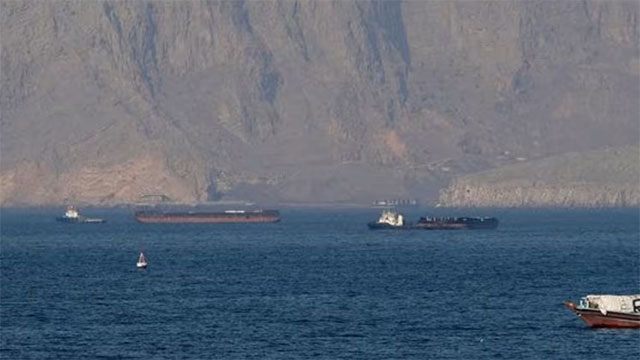
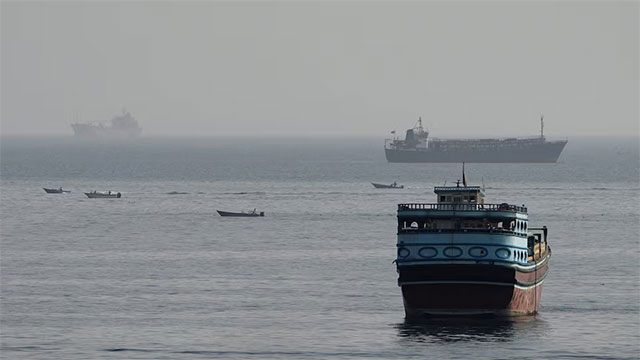
The conflicting statements come after President Trump claimed negotiations had already begun, prompting Iran to reject the assertion. A Pakistani security official acknowledged that "a lot is happening in the background" with both sides being engaged. The diplomatic activity has driven oil prices lower, as markets responded to prospects of restored shipping through a corridor that typically carries roughly one-fifth of global oil and liquefied natural gas supplies. However, maritime risks remain acute, with reports of a cargo vessel struck by an unidentified projectile near the strait, forcing crew abandonment and leaving one seafarer missing.
Core disagreements persist over the strait's control. Iran has reportedly demanded full authority over inbound shipping and oversight of outbound traffic, a position that would represent a significant shift in regional power dynamics. Tehran previously rejected an Omani proposal for shared oversight, signaling hardline positions may complicate rapid resolution.