Nepal's foreign minister says the country can manage rescue operations independently but urgently needs international help with specialized technical tasks following a devastating glacier collapse that killed over 600 people.
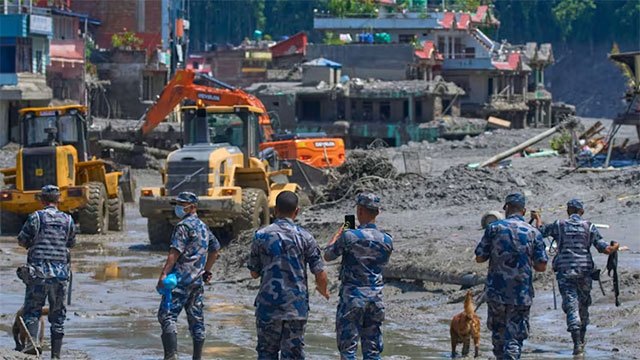
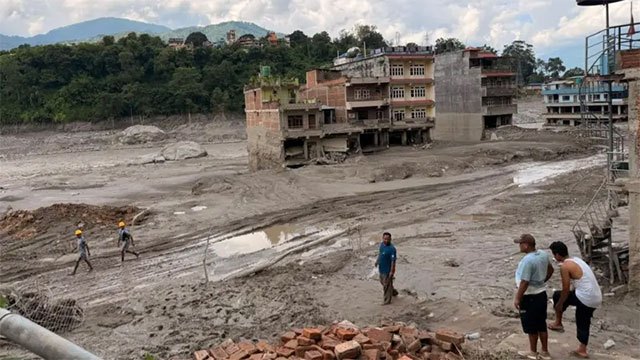
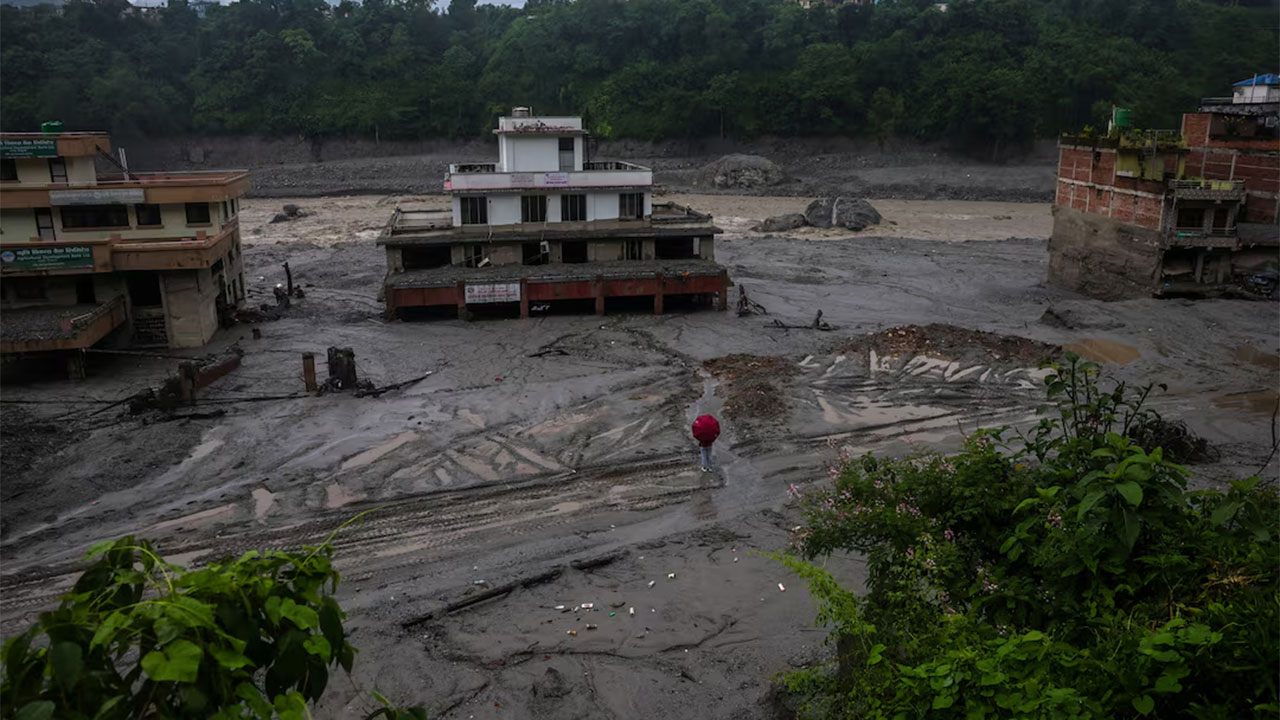
A glacier collapse in Nepal's Himalayan region on Wednesday triggered catastrophic flooding that has claimed more than 600 lives across Nepal and China's Tibet, with thousands still missing. The disaster unleashed torrents of rock, ice, and debris through mountain river systems, destroying entire towns, damaging critical infrastructure including hydropower plants, and destroying approximately two dozen bridges in the affected area.
Nepal's Foreign Minister Shisir Khanal clarified the country's position on international assistance, stating that while Nepal can manage general search and rescue operations with its own personnel, specialized technical support is needed. According to Khanal, several countries including India, China, the United States, Britain, Japan, South Korea, Sri Lanka, and Bangladesh have offered search and rescue teams. However, Nepal believes deploying such teams would be redundant given local capacity in this area.
The government has instead prioritized requests for assistance in areas where Nepal lacks expertise. These include rescue operations in hydroelectric plant tunnels, restoration of transport and communication routes where bridges have been destroyed, identification of deceased victims, DNA testing services, and body storage facilities. Hospitals in affected regions have become overwhelmed with bodies and lack adequate refrigeration capacity, with many remains recovered from Chitwan and Nawalparasi, approximately 100 kilometers from the disaster's epicenter.
Nepal has specifically requested bailey bridges from neighboring India and China to restore early transport and communication links. Officials also indicated that long-term foreign support will be necessary for reconstruction and rehabilitation efforts once immediate crisis operations conclude. The disaster has caused extensive damage to schools, hospitals, hydroelectric facilities, roads, and other critical infrastructure throughout the affected regions.