

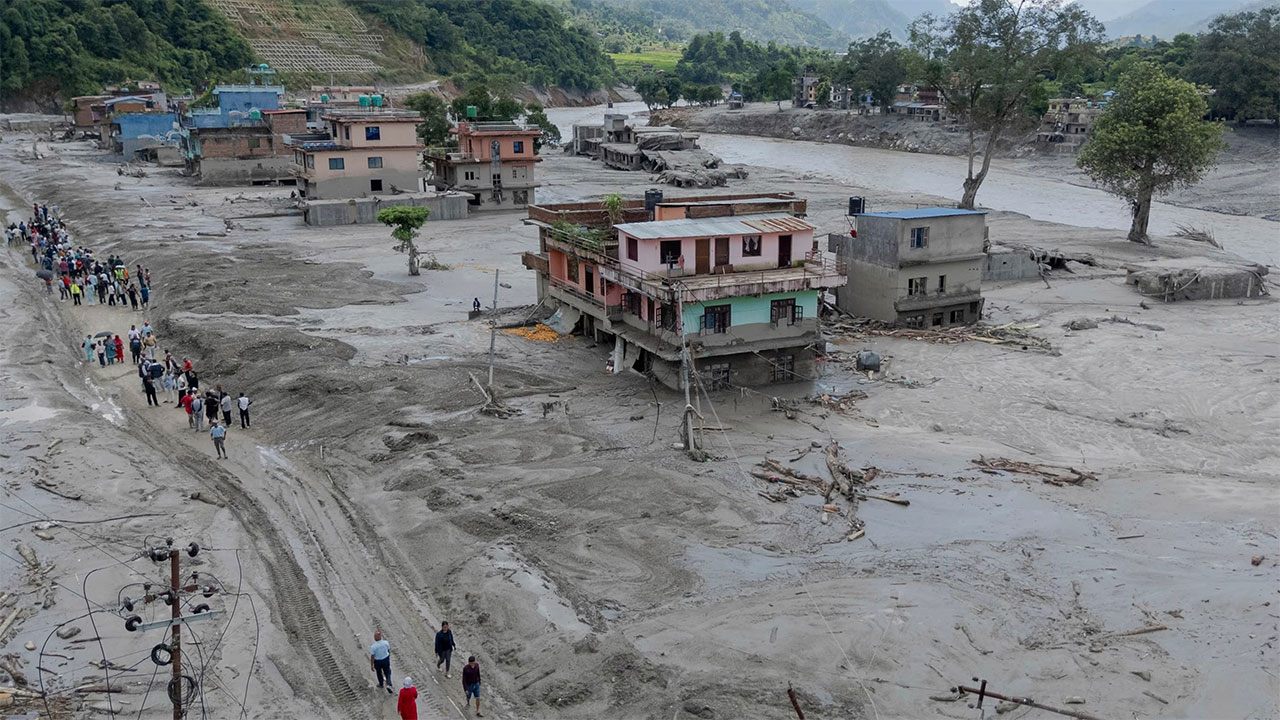
Nepal's Finance Minister estimates the country will need between $4 billion and $5 billion to rebuild following this week's catastrophic floods triggered by a glacier collapse, a cost equivalent to roughly one-tenth of the nation's economy.
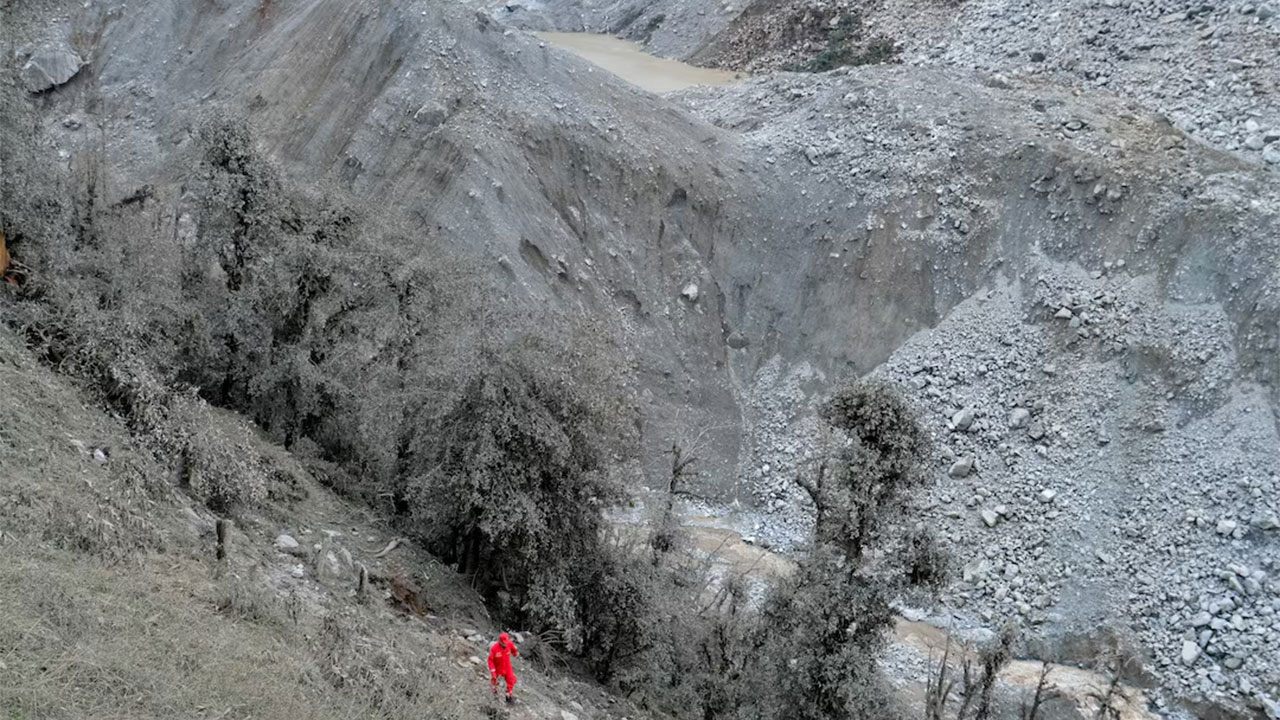
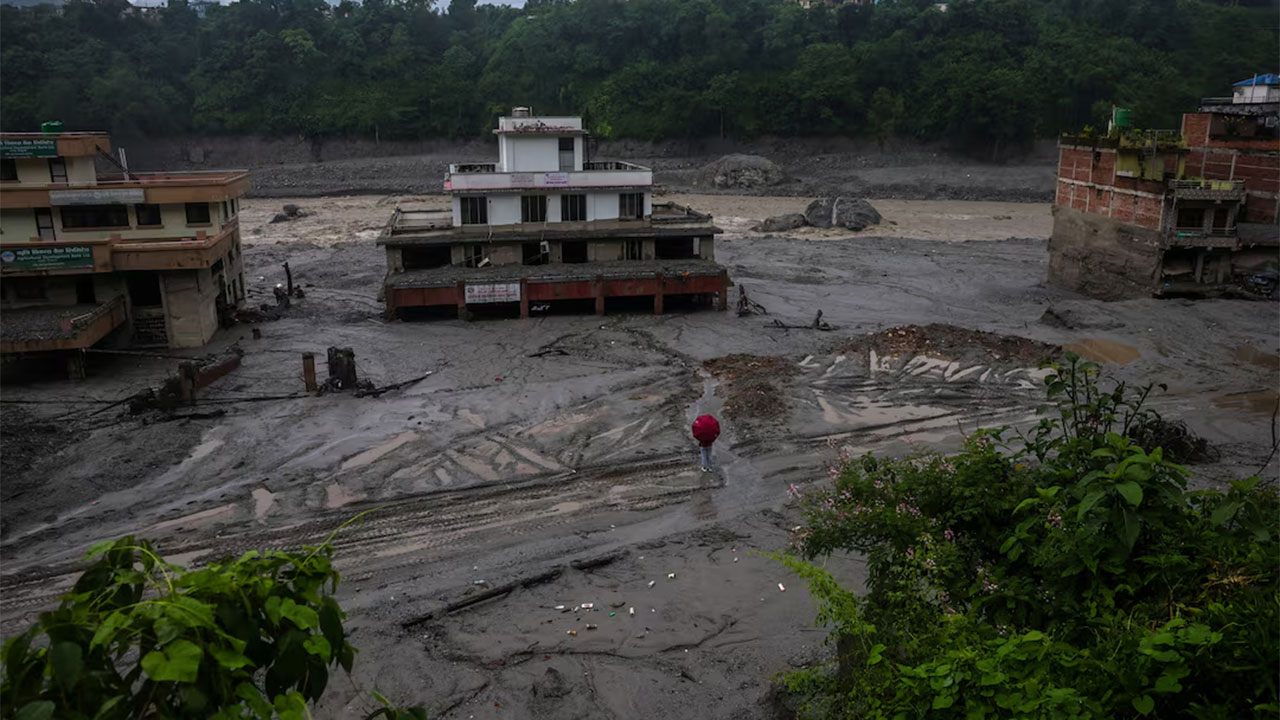
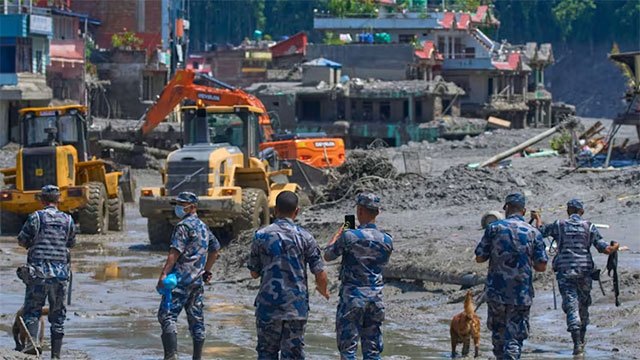
A glacier collapse on Wednesday unleashed massive volumes of rock, ice, mud and debris through Himalayan river systems, causing widespread destruction across Nepal and China's Tibet region. The disaster has claimed over 600 lives, with more than 2,000 people still missing as recovery efforts continue.
Nepal's Finance Minister Swarnim Wagle stated on Saturday that preliminary estimates place reconstruction costs between $4 billion and $5 billion, though he emphasized these figures remain subject to change as damage assessments progress. While substantial, this projected expenditure falls short of the $9 billion required to rebuild following Nepal's 2015 earthquake, which killed nearly 9,000 people and destroyed over 500,000 homes.
Wagle did not provide detailed reasoning for why this week's reconstruction costs are expected to be lower than the earthquake recovery bill, which represented approximately one-third of Nepal's economy at that time. The floods have caused significant infrastructure damage, including destroyed bridges and roads, along with harm to major hydropower facilities.
The disaster strikes particularly hard given Nepal's economic vulnerabilities. The nation depends heavily on remittances from overseas workers, tourism revenue, and hydropower generation. The damage to power projects that supply more than 12% of the country's electricity capacity threatens to compound economic challenges as Nepal attempts recovery from the calamity.





-852883_850x460.jpg)