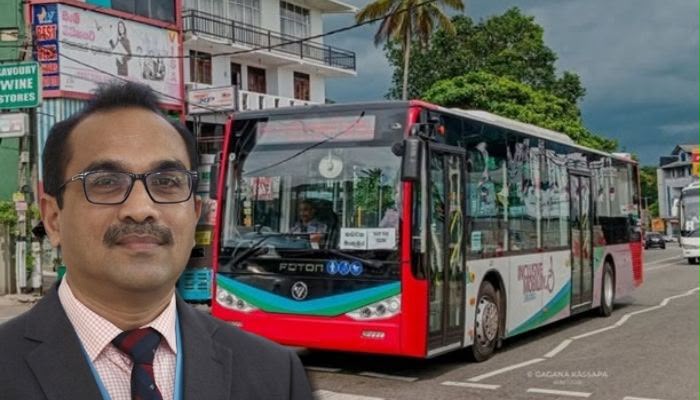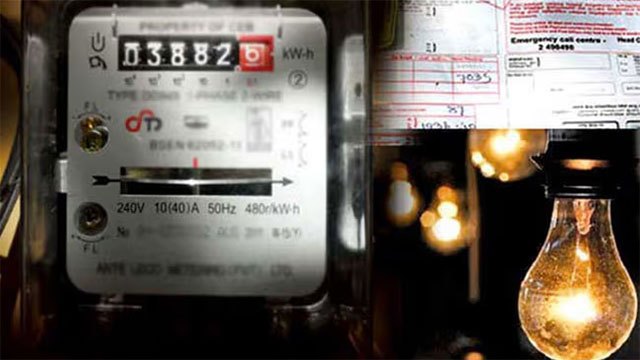
The Chairman of the Public Utilities Commission of Sri Lanka has attributed recent fluctuations in electricity tariffs to the country's heavy reliance on thermal power generation and has called for increased investment in renewable energy sources to stabilise costs.
Sri Lanka's volatile electricity tariffs could be stabilised through a deliberate reduction in thermal power generation, according to K. P. L. Chandralal, Chairman of the Public Utilities Commission of Sri Lanka (PUCSL). Speaking at a media briefing, Chandralal identified the high cost of thermal power generation as a primary driver behind the recurring tariff increases that have affected consumers in recent years.
The PUCSL Chairman highlighted that Sri Lanka should prioritise solar and other renewable energy sources where generation capacity exists, rather than maintaining its current dependency on thermal power. Beyond tariff concerns, Chandralal noted that thermal generation creates additional economic pressures through unnecessary foreign exchange expenditure, as fuel required for power plants must be imported. Fluctuations in global oil prices directly influence fuel costs and subsequently affect the overall price of electricity generation.
Sri Lanka has witnessed multiple electricity tariff revisions in recent years, reflecting the instability within the power sector. Most recently, the PUCSL approved a 15% tariff increase in June 2025, followed by another revision in March 2026 with increases varying based on consumer category and consumption levels. Chandralal's comments underscore the regulatory body's position that transitioning away from thermal energy toward renewable sources represents a strategic solution to both reduce costs and insulate the electricity system from international fuel price volatility.