

Prolonged dry weather has caused significant drops in water storage across Sri Lanka, prompting authorities to launch emergency groundwater extraction projects and increase water distribution to affected districts.
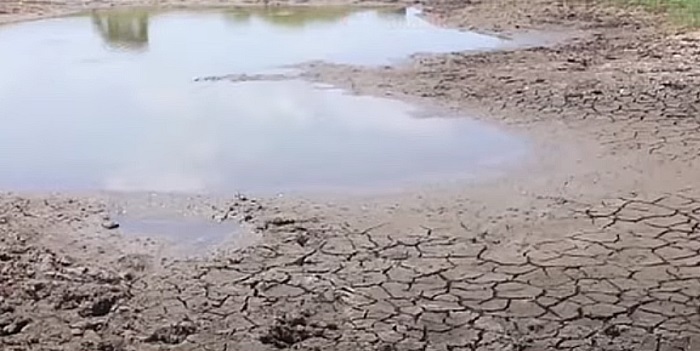
Reservoir water levels across Sri Lanka have declined to 34.7% of capacity due to an extended dry spell, with some regions experiencing more severe shortages than others. The Ampara district has been hit hardest, with reservoir levels at just 21.7%, while Batticaloa and Trincomalee have recorded 25.6% and 26.8% respectively. Several major reservoirs including Muruthawela, Morawewa, Kaudulla, and Weeragala have now fallen below 20% capacity, according to the Irrigation Department.
The drought has impacted residents across seven districts spanning Badulla, Polonnaruwa, Hambantota, Ratnapura, Batticaloa, and Ampara, with the total number of affected people exceeding 84,545. The Disaster Management Centre has been distributing drinking water to over 75,000 individuals across these regions to address immediate needs.
In response to the crisis, the National Water Supply and Drainage Board has launched groundwater extraction initiatives to provide a longer-term solution. According to Board Chairman Chandana Bandara, approximately 60 tube wells are currently under construction in Monaragala district, with similar projects also underway in Batticaloa. The Irrigation Department is simultaneously implementing measures to release available reservoir water with maximum efficiency to support drinking water supplies in affected areas.