Leading economists have criticized Sri Lanka's economic structure as primarily serving a narrow group of interests, arguing that current growth patterns fail to improve living standards for the majority and must be reformed through increased competition and productivity.
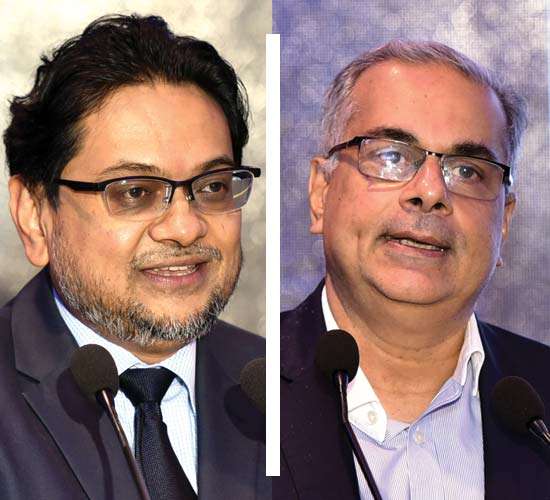
Prominent economists have raised concerns about the sustainability and equity of Sri Lanka's economic model, arguing that current policies disproportionately benefit a small segment of the population while leaving ordinary citizens behind. Dr. Nishan de Mel from Verité Research characterized the system as fundamentally flawed, pointing to tax collection mechanisms and interest rate policies that he believes advantage those with accumulated wealth at the expense of wage earners.
De Mel highlighted that the country's reliance on withholding taxes generates substantial revenue, suggesting widespread tax avoidance among higher earners despite overall tax compliance appearing adequate on paper. He noted that those dependent on wages face dual pressure from high taxation, including an 18% value-added tax, while benefiting little from government services funded by tax revenue increasingly devoted to debt servicing. This dynamic, he argued, creates a system where economic gains concentrate among the already affluent. De Mel also emphasized that poverty has more than doubled since the crisis, with data showing 92% of formal private sector employees earning below Rs. 100,000 monthly.
De Mel's counterpart identified competition and productivity as critical missing elements in Sri Lanka's economic structure. He noted that economic policy has effectively been shaped to accommodate incumbent interests rather than broader development needs. However, he acknowledged that the post-crisis period has generated significant macroeconomic reforms, including new Central Bank legislation and fiscal management frameworks, alongside enhanced tax administration scrutiny. He attributed some previous reform setbacks to bureaucratic delays and political timing rather than absent reform efforts.
Both economists called for structural economic changes including reduced state enterprise involvement, greater trade liberalization, and increased foreign direct investment—not primarily for capital but for knowledge transfer. They emphasized that Sri Lanka must reorient production toward international demand rather than domestic consumption, learning from Southeast Asian economies that have successfully integrated into global supply networks. Additionally, they highlighted demographic challenges including declining birth rates, significant youth migration, and low female labor participation as constraints requiring attention alongside policy reform.