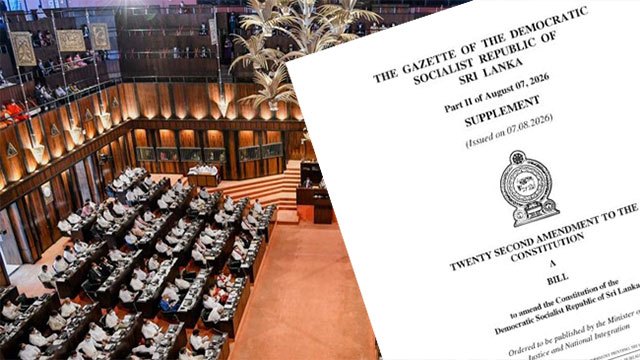
A United Nations special rapporteur has expressed serious concerns that Sri Lanka's proposed constitutional amendment to increase the retirement age of superior court judges may violate international human rights standards on judicial independence, citing risks of executive interference and threats to public…
Margaret Satterthwaite, the UN Special Rapporteur on the independence of judges and lawyers, has formally communicated concerns to Sri Lanka's government regarding a proposed constitutional amendment that would extend the retirement age of superior court judges by two years. The amendment, presented as an administrative reform by the Justice Minister, would raise the mandatory retirement age from 65 to 67 years for Supreme Court judges and from 63 to 65 years for Court of Appeal judges.
The rapporteur's primary concern centres on the retroactive application of the amendment to sitting judges rather than limiting it to future appointees. According to Satterthwaite, this approach may contravene international human rights obligations enshrined in the International Covenant on Civil and Political Rights (ICCPR), to which Sri Lanka is a signatory. She argues that security of judicial tenure until a fixed retirement age constitutes a fundamental safeguard of judicial independence and that altering this tenure through ad hoc constitutional amendment risks creating the perception of executive and legislative interference in judicial composition.
Satterthwaite references established international standards, including UN Basic Principles on the Independence of the Judiciary and guidance from the Venice Commission, which recommend that any changes to judicial retirement ages be accompanied by transitional arrangements and robust safeguards. She notes particular concern that sitting judges who would benefit from extended tenure might subsequently be required to rule on the amendment's constitutionality, creating potential conflicts of interest. The rapporteur emphasizes that while extending retirement age may be justified on grounds of preserving expertise, such reforms require meaningful stakeholder consultation and transparent debate rather than ad hoc implementation.
The communication requests detailed information from the Sri Lankan government regarding the amendment's rationale, consultation processes undertaken with judicial and legal professional bodies, and proposed safeguards to prevent perceived executive interference. The rapporteur recommends pursuing any judicial tenure modifications through comprehensive, transparent justice reform processes rather than isolated constitutional amendments.