
The JVP-NPP government has presented the 22nd Constitutional Amendment Bill to Parliament, proposing to extend mandatory retirement ages for judges, but the move has drawn criticism from legal experts, international organisations, and the Bar Association of Sri Lanka for potentially compromising judicial independence.
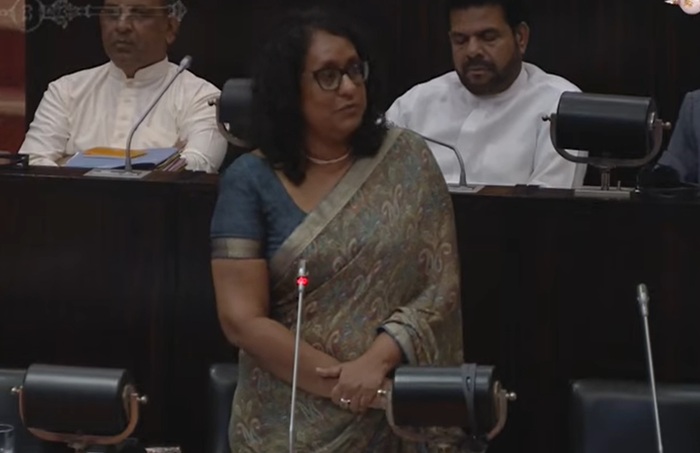
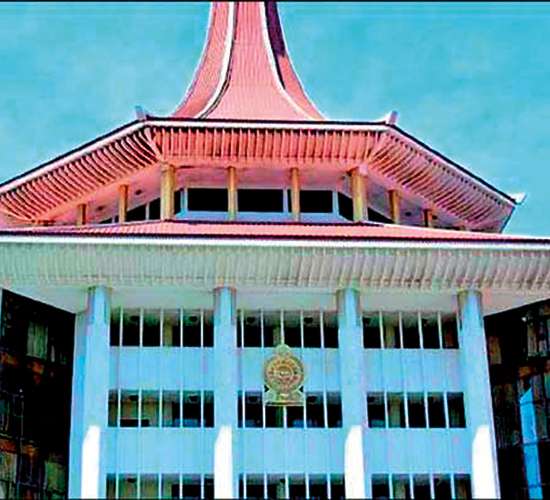
The JVP-NPP government tabled the 22nd Constitutional Amendment (22A) Bill and the Judicature (Amendment) Bill in Parliament on Tuesday, proposing to raise the mandatory retirement age of Supreme Court judges from 65 to 67 years and Court of Appeal judges from 63 to 65 years. The timing drew attention, coinciding with the 39th anniversary of the 1987 parliamentary bomb attack. Multiple petitions challenging the amendment have already been filed before the Supreme Court, which must communicate its determination to the Speaker within three to 21 days.
The proposal has sparked significant opposition from legal professionals and international bodies. The Bar Association of Sri Lanka, the UN, the International Association of Judges, the Commonwealth Lawyers Association, and LAWASIA have all expressed concerns about the amendment. Legal experts have warned that the measure could place judges in positions of conflict of interest, particularly given that two previous Supreme Court determinations stated that revising mandatory retirement ages for sitting judges violates Article 3 of the Constitution and requires public approval through referendum.
Former Additional Solicitor General Srinath Perera has pointed out inconsistencies in the government's rationale, noting that two Court of Appeal judges with 30 years' experience were forced to retire because the government left four Supreme Court vacancies unfilled, denying them promotions. This contradicts the government's stated aim of retaining experienced judges. Additionally, critics have raised concerns about President Anura Kumara Dissanayake's recent remarks regarding ongoing court cases, with legal experts questioning how the President could predict case outcomes and timelines.
The Bar Association has disputed the government's justification for keeping vacancies unfilled, citing the Easter Sunday case as an example. According to the BASL, two High Court judges were promoted while hearing that case without impacting proceedings, suggesting that filling vacancies would not compromise ongoing trials. International observers have drawn comparisons to Zimbabwe's controversial constitutional amendments to retain judicial officers beyond mandatory ages.