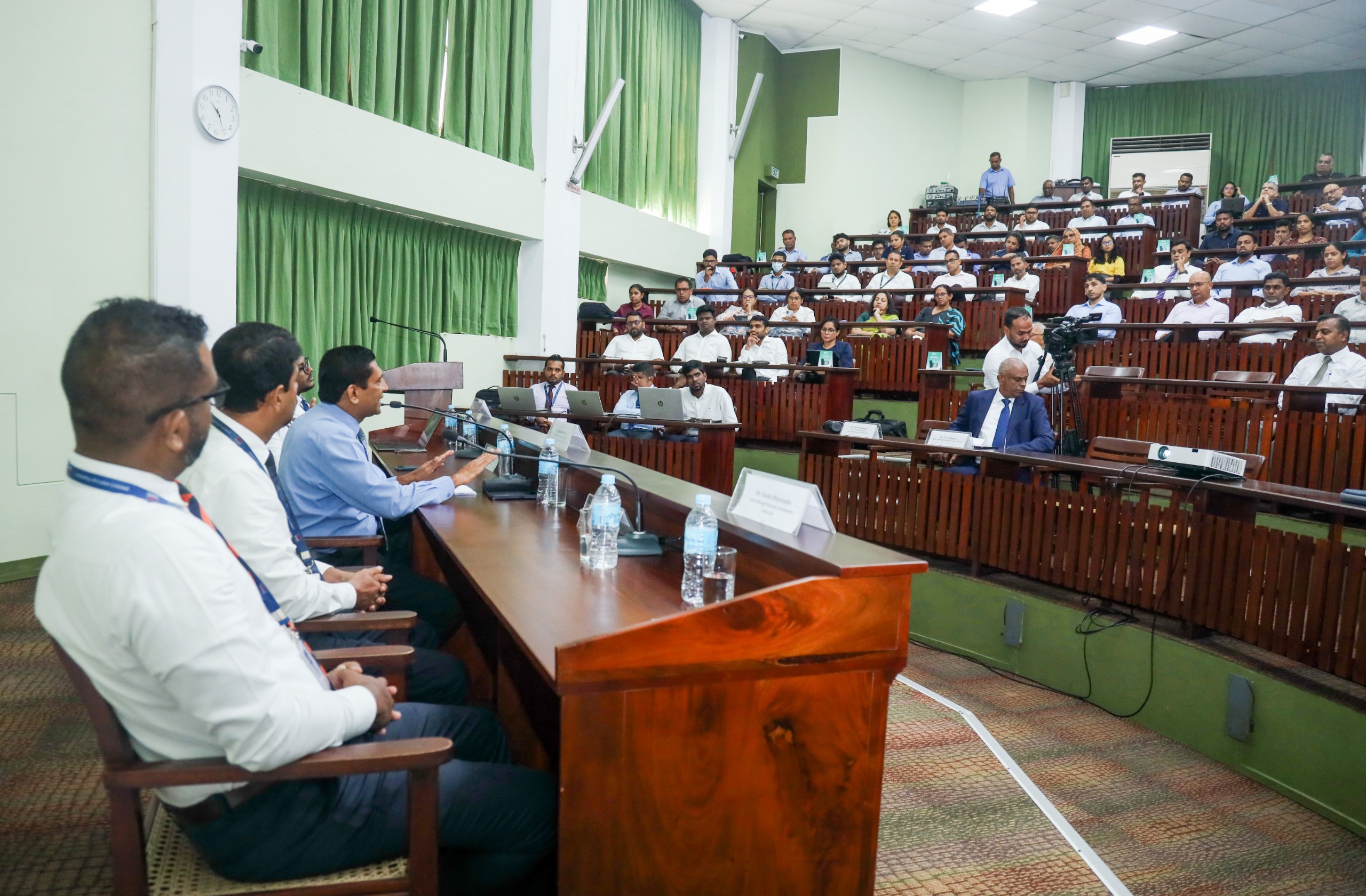
Deputy Minister of Finance Dr. Anil Jayantha says Sri Lanka has expanded its foreign reserves faster than expected while simultaneously managing debt repayments, easing import restrictions, and supporting economic activity.
Sri Lanka's foreign reserve position has improved beyond initial projections, according to Deputy Minister of Finance and Planning Dr. Anil Jayantha. He attributed the faster-than-anticipated growth to government economic measures and prudent central bank management. The International Monetary Fund itself revised downward its reserve targets for Sri Lanka in 2023, reflecting the country's stronger-than-expected performance in this area.
The government has balanced reserve accumulation with efforts to revive economic activity. Notably, restrictions on vehicle imports were relaxed in recent months, leading to letters of credit worth approximately USD 3.5 billion being opened for automotive purchases. Dr. Jayantha noted that if these imports had been restricted, foreign reserves would have been correspondingly higher, illustrating the trade-off between reserve accumulation and economic stimulus.
Despite substantial external obligations, Sri Lanka has maintained reserves at approximately USD 6.6 billion while meeting debt repayments totaling USD 2.6 billion. The government has also allocated significant reserve amounts for essential imports. Fuel purchases continue to exert pressure on foreign currency reserves, though Dr. Jayantha characterized these as unavoidable costs.
The Deputy Minister reframed the discussion around foreign reserves, arguing they should be understood primarily as a protective economic buffer rather than the sole indicator of economic health. He emphasized that the government aims to grow net foreign reserves while maintaining economic momentum. The strategy reflects an attempt to balance financial stability with sustained growth and import accessibility.