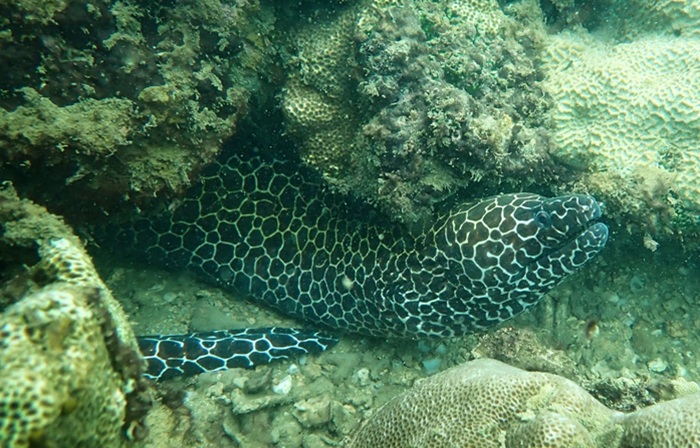
Sri Lanka's Department of Wildlife Conservation has conducted a comprehensive assessment of coral reef health in the Kayankerni Marine Sanctuary and Pasikuda coastal area to guide future conservation and sustainable tourism efforts.
The Marine Unit of the Department of Wildlife Conservation has finished a detailed survey of coral reef ecosystems in the Kayankerni Marine Sanctuary and the surrounding Pasikuda region. The assessment examined the condition of coral reefs both within the protected sanctuary boundaries and in adjacent unprotected waters, according to the department.
The survey identified both natural and human-caused threats to the reef ecosystems while collecting scientific information intended to inform future conservation strategies and restoration initiatives. Under Sri Lanka's Fauna and Flora Protection Ordinance, corals are designated as protected species. The department noted that reef-building corals work in partnership with microscopic algae called zooxanthellae to create complex structures that support exceptionally biodiverse marine ecosystems.
According to the Department of Wildlife Conservation, coral reefs provide multiple critical functions for the region. These include serving as habitat and breeding grounds for marine life, protecting coastlines from wave action and erosion, supporting fisheries that sustain coastal communities, and generating tourism revenue for local economies. The collected data will serve as a foundation for future management and conservation decisions made by the department in consultation with relevant stakeholders.
The department stated that particular focus is being directed toward identifying sustainable tourism opportunities that allow visitor access while maintaining ecosystem integrity. The findings from this survey are expected to guide policy decisions aimed at balancing economic interests with environmental protection in Sri Lanka's eastern marine areas.