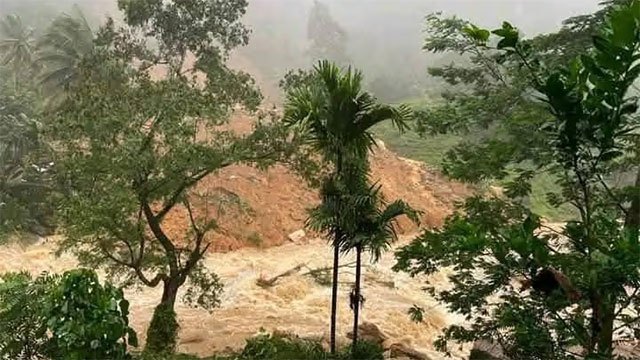
Sri Lanka's National Building Research Organisation has warned of heightened landslide risks in areas already damaged by Cyclone Ditwah, as continuous rainfall has saturated soil across vulnerable regions.
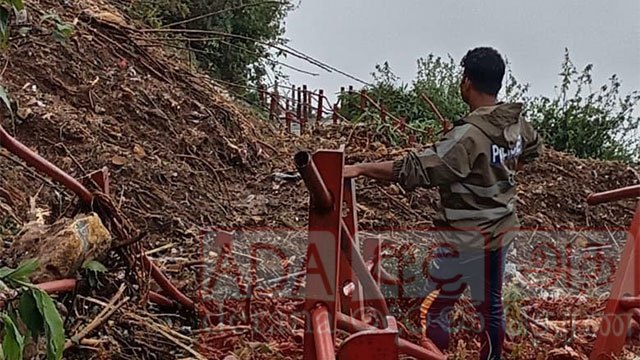
The National Building Research Organisation (NBRO) has alerted the public to the risk of landslides reactivating in areas that were previously impacted by Cyclone Ditwah, following several days of sustained heavy rainfall. According to NBRO Senior Scientist Dr. Wasantha Senadheera, water saturation in the soil has significantly elevated the danger, and even brief periods of intense rain could now trigger earth movements and rockfalls.
Meteorological forecasts suggest rainfall may intensify further on August 7 and 8, compounding existing hazards in regions with already compromised ground stability. The NBRO has advised residents in vulnerable zones to watch for warning indicators including newly formed water springs, ground cracks, and tilting utility poles. Motorists have been urged to exercise caution on routes passing through landslide-prone areas, while those living near canals and waterways should remain especially alert.
Recent weather-related incidents have already resulted in significant impacts across the country. Dr. Senadheera reported 21 incidents tied to the adverse conditions, with 15 occurring in Kegalle District and four in Nuwara Eliya District, resulting in five deaths attributed to landslides. The NBRO continues to monitor conditions through approximately 330 automated rainfall monitoring stations, coordinating data collection with the Department of Meteorology and the Irrigation Department to provide timely warnings.
Official guidance emphasizes that residents should immediately evacuate areas where warning signs appear and follow all evacuation instructions to ensure personal safety during the emergency period.