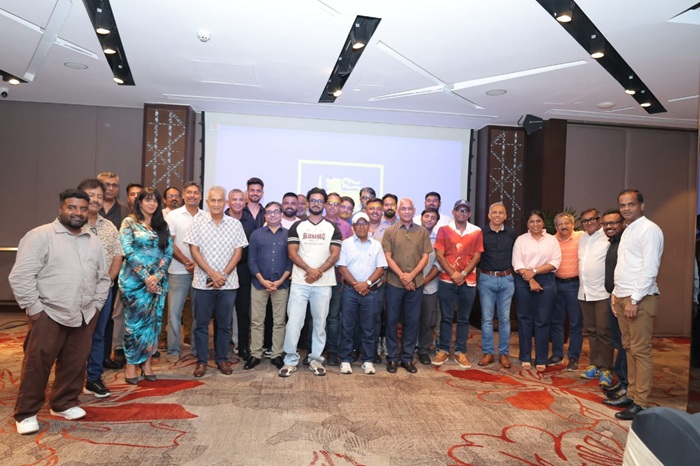
Members of Sri Lanka Cricket's Transformation Committee met with Indian journalists in Colombo to discuss strengthening bilateral cricket relations and ongoing governance reforms within the sport.
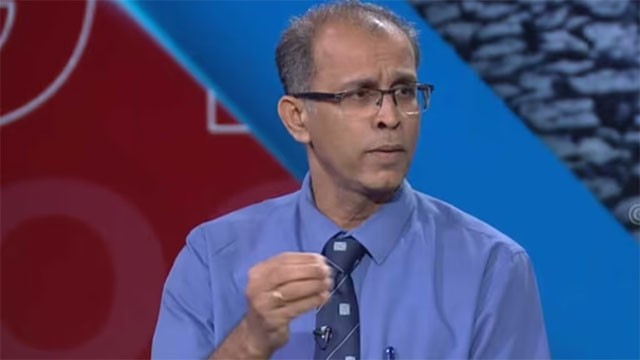
Sri Lanka Cricket's Transformation Committee convened an informal session with visiting Indian media representatives in Colombo, focusing on cricket partnerships between the two nations and the administration's modernization efforts. The gathering included Committee Chairman Eran Wickramaratne alongside former cricketers Sidath Wettimuny, Roshan Mahanama, and ex-captain Kumar Sangakkara.
Wickramaratne underscored the century-old cricketing heritage shared between Sri Lanka and India, referencing historic competitions such as the Gopalan Trophy and the subsequent development of Test, ODI, and T20I exchanges. He expressed the Committee's commitment to deepening this relationship and noted having engaged in discussions with ICC Chairman Jay Shah regarding collaborative efforts to advance the sport globally.
Regarding bilateral fixtures, the Sri Lankan representatives acknowledged India as a priority opponent. Wettimuny stated that while Sri Lanka would ideally host India annually, practical constraints shape scheduling decisions. He emphasized that the dense international calendar and the ICC Future Tours Programme ultimately determine tour arrangements. Mahanama highlighted that India, England, and Australia rank among the most sought-after opponents for any cricket nation and stressed the importance of securing additional bilateral series against these teams. However, she flagged the challenge of balancing fixture loads, noting disparities between years—citing 2029's projected ten Test matches against minimal Test cricket this year.
The discussion extended beyond bilateral relations to encompass Sri Lanka Cricket's proposed constitutional and administrative restructuring, exploration of Sri Lanka as a neutral international venue, and planned cricket infrastructure development in Jaffna. Wickramaratne indicated that administrative changes were being pursued through an apolitical framework, stating that political influence was not a factor in the reform process.