Sri Lanka's Customs authorities have flagged a sharp increase in narcotics trafficking, with seizures already approaching last year's total despite only halfway through 2025. Officials have identified an emerging smuggling route linked to Thailand and warn of traffickers exploiting young people and unwitting…
Sri Lanka Customs has intensified its focus on combating narcotics trafficking, with officials reporting alarming detection rates under the government's "Ratama Ekata" programme. According to Nuwan Abeynayake, Deputy Director of the Customs Narcotics Control Unit, authorities have seized 396 kilograms of drugs so far this year—a quantity that is rapidly approaching the entire amount seized during 2024, despite only half of 2025 having elapsed. Throughout the current year, Customs has recorded 127 narcotics-related cases and recovered a total of 435 kilograms of drugs.
A concerning development identified by investigators is the involvement of younger individuals in trafficking operations. Abeynayake stated that drug smugglers have increasingly begun recruiting younger people to support their networks, marking a shift in recruitment tactics among criminal organisations.
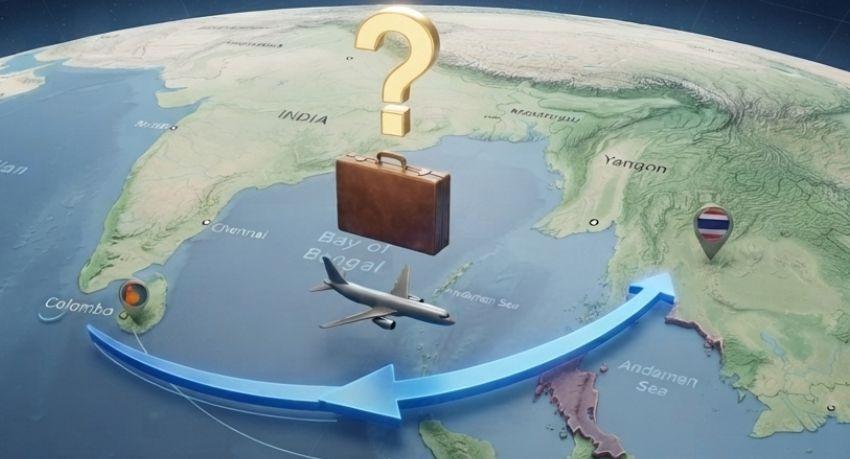
Customs authorities have also highlighted an emerging smuggling route with connections to Thailand, representing what officials describe as a new threat vector. The route has become apparent following several incidents involving Buddhist monks arriving from Thailand who were found carrying narcotics. Additionally, authorities have warned that travellers visiting Thailand on tourist visas are being approached by unknown individuals and persuaded to transport bags or parcels back to Sri Lanka without knowledge of their contents—a method exploiting unsuspecting citizens as unwitting couriers.
In response, Sri Lanka Customs has implemented enhanced security measures at ports of entry, utilising advanced risk-management systems for container selection and subjecting shipments from high-risk nations to comprehensive screening. Officials stressed that intelligence gathered from source and exporting countries informs inspection protocols, with all examinations conducted before containers are released. "Under no circumstances will we allow Sri Lanka to be used as a transit hub for international drug trafficking," Abeynayake stated, urging the public to exercise caution and avoid carrying luggage or packages belonging to strangers.