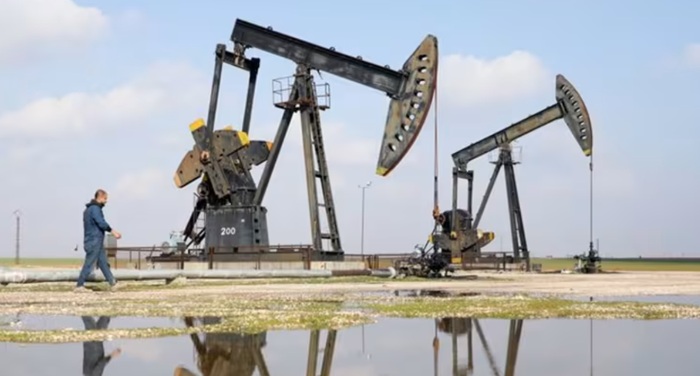
Crude oil futures fell on Friday as increased shipments through key maritime routes offset concerns from ongoing US-Iran tensions, though both major benchmarks remain on track for substantial monthly gains.
Oil prices retreated in early trading Friday, with Brent crude dropping $1.03 to $88 per barrel and US West Texas Intermediate sliding $1.50 to $82.09 per barrel. Despite the daily decline, both benchmarks are positioned to end the month with gains of approximately 20 percent.
Analysts attributed the price movement to competing pressures in global energy markets. According to Daniel Hynes at ANZ, rising Middle East tensions are being offset by signs of increased oil flows through the Strait of Hormuz, the critical waterway that typically carries roughly one-fifth of global crude and liquefied natural gas shipments. The strait has faced significant disruptions since late February following the outbreak of conflict in the region.
While tanker traffic has continued moving through both the Strait of Hormuz and the Red Sea, heightened security risks have pushed up freight costs and insurance premiums substantially. Priyanka Sachdeva, analyst at Phillip Nova, noted that geopolitical risk remains embedded in current price levels. She observed that despite the easing from recent highs, the underlying market momentum continues to support higher prices.
Regionally, Saudi Arabia is spearheading efforts to strengthen maritime security by forming a multinational defence coalition across critical chokepoints including the Bab El-Mandeb Strait and the Gulf of Aden. The Saudi defence ministry indicated that 14 nations, including Egypt, Pakistan, Turkey, Djibouti and Sudan, have expressed support for the initiative. This comes amid declarations by Iran-aligned Houthi militants in Yemen of a naval blockade on Saudi Arabia, adding further complexity to an already volatile energy landscape.