Sri Lanka's Customs authority has identified a new pattern in drug smuggling operations where traffickers are increasingly recruiting children, elderly people, and individuals with serious health conditions to transport narcotics into the country.
Sri Lanka Customs has uncovered a concerning shift in smuggling methods, with drug trafficking networks now targeting vulnerable population groups to transport illegal narcotics across borders. According to Deputy Director of the Customs Narcotics Control Unit Nuwan Abeynayake, this trend has become increasingly apparent in recent weeks.
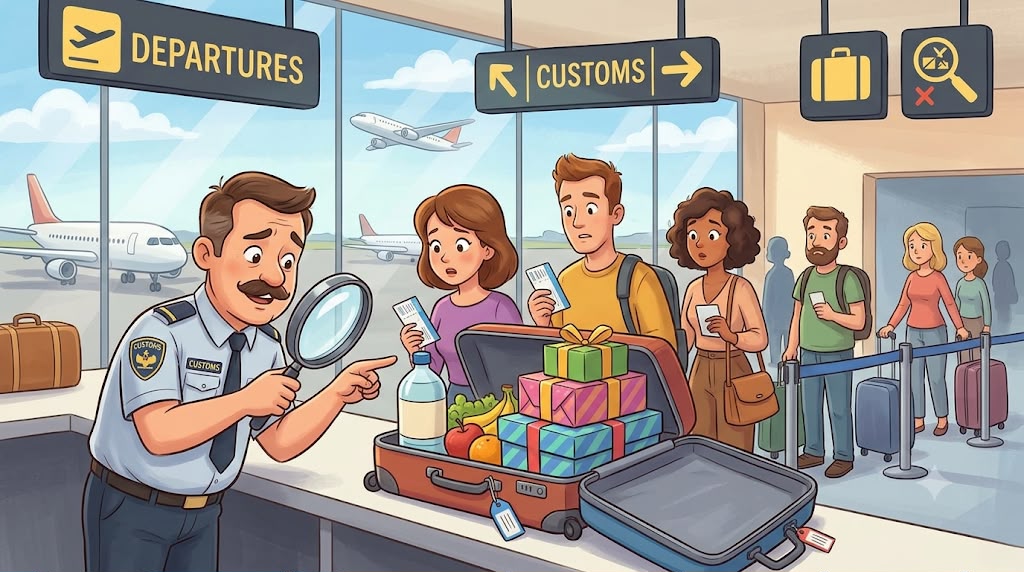
Traffickers believe that deploying children, elderly individuals, and people living with disabilities or serious medical conditions will help them bypass law enforcement scrutiny. Abeynayake explained that smugglers operate under the assumption that customs officers would be less likely to conduct thorough searches on such individuals, thereby enabling easier entry of contraband into Sri Lanka.
However, Customs officials say they have successfully identified and intercepted several suspects using these new tactics. Recent arrests include a 79-year-old Angolan woman living with HIV who arrived from African countries. Authorities determined the individuals' health conditions by examining medical documentation and medications found in their possession. Abeynayake stated that enhanced screening procedures now in place at airport entry points have enabled detection of these concealment attempts.
Notably, Abeynayake indicated that Customs has not yet documented cases of Sri Lankan nationals being exploited for smuggling in this manner. Officials have also identified additional novel smuggling methods and are continuing to upgrade detection capabilities at all ports of entry to counter these evolving trafficking strategies.