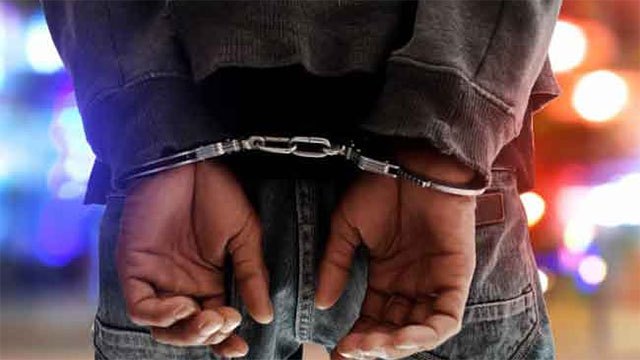
Authorities have observed increased demand for drug rehabilitation services coinciding with reduced availability of illicit substances across Sri Lanka, prompting the government to expand treatment facilities.
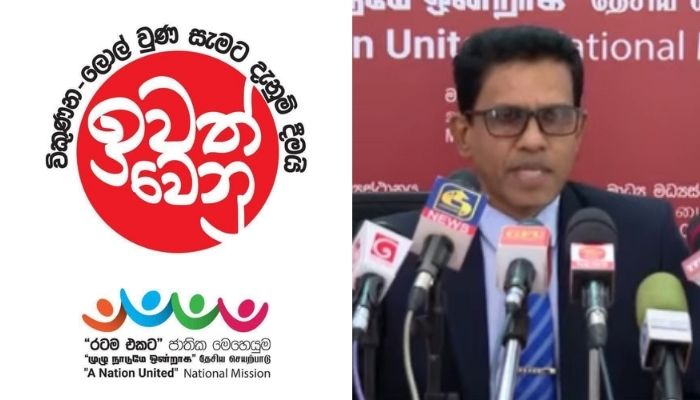
The National Dangerous Drugs Control Board has reported a notable rise in drug users seeking rehabilitation services as illicit drug availability has declined across the country. According to U.G. Shantha Gamage, the NDDCB's Director of Treatment and Rehabilitation, the shortage of drugs in circulation has corresponded with growing interest among users to access voluntary treatment programmes.
Government efforts to combat drug trafficking under the "Ratama Ekata" eradication initiative appear to be contributing to the reduced supply. However, the demand surge has revealed gaps in the country's existing support infrastructure. Residential rehabilitation facilities were previously insufficient to accommodate the growing number of individuals seeking help.
In response to capacity constraints, the Cabinet approved plans in April to establish six new short-term treatment and rehabilitation centres. This expansion is part of a broader strategy to strengthen the national anti-drug programme and provide adequate support services for those attempting to recover from substance dependency. The government continues to work on widening its rehabilitation facility network to address ongoing demand.