The Democratic Republic of Congo is experiencing the fastest Ebola outbreak on record, with cases reaching 3,262 and nearly 1,437 deaths. The Bundibugyo strain, which lacks approved vaccines or treatments, continues to spread rapidly amid security challenges and health worker strikes.
The Ebola outbreak in the Democratic Republic of Congo has reached a critical milestone, with confirmed cases now totalling 3,262 and deaths approaching 1,437, according to the country's ministry of health. Health officials have characterised this as the fastest outbreak on record, having nearly matched the scale of the 2018-2020 outbreak—the largest ever recorded in the country—in just 10 weeks rather than the nearly two years that previous epidemic required.
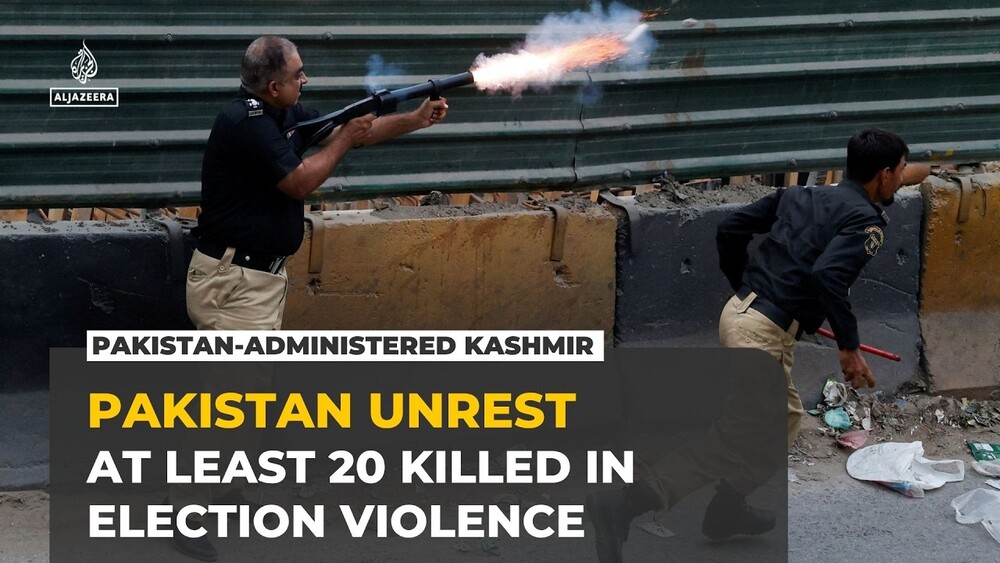
The current crisis centres on the eastern Ituri province, where transmission continues to accelerate despite containment efforts. Onesphore Bangenza, response team lead for Mercy Corps in Bunia, told international media that the speed of transmission has outpaced containment capabilities. Multiple obstacles hinder the response, including rebel violence in the region, health worker strikes over wage arrears, and community resistance that has forced responders to abandon or avoid certain areas over safety concerns.
A significant complicating factor distinguishes this outbreak from previous epidemics: the Bundibugyo virus strain responsible has no approved vaccines or treatments available. The outbreak was officially declared on 15 May. If death tolls surpass the 2018-2020 outbreak, it would become the deadliest since the 2014-2016 West African crisis, which killed over 11,000 people across multiple countries.
In contrasting developments, Uganda declared itself Ebola-free on Tuesday, following its latest outbreak that infected 20 people and resulted in two deaths. Uganda's rapid containment, with 15 of the cases originating in neighbouring DRC, reflects the country's accumulated experience managing the disease since its first documented epidemic in 2000.