Russia's Federal Security Service has charged Telegram founder Pavel Durov with facilitating terrorist activities and issued an international arrest warrant, alleging the platform failed to remove material used by Ukrainian services and extremist organisations.
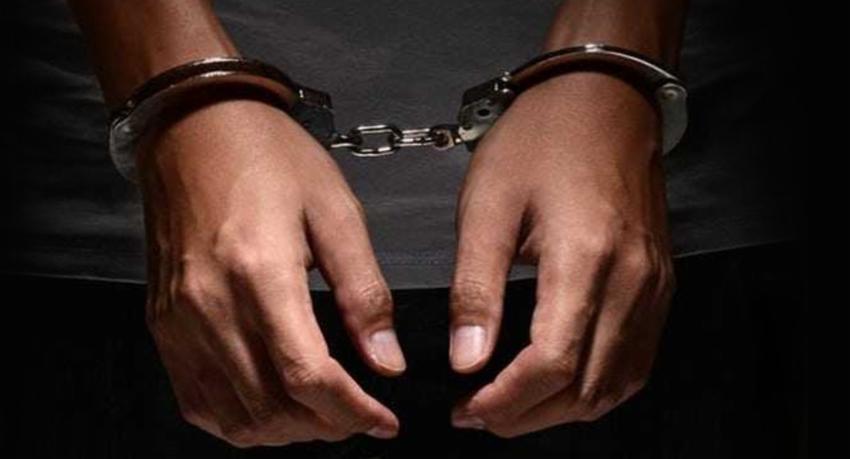
Russia's Federal Security Service announced charges against Telegram founder Pavel Durov on Wednesday, accusing him of facilitating terrorist activities and issuing an international warrant for his arrest. According to the FSB, the charges stem from allegations that Telegram failed to remove content allegedly used by Ukrainian special services, terrorist groups, and extremist organisations to coordinate sabotage operations, mass violence, and cyber-fraud within Russian territory.
Following the announcement, Telegram's official account on social media platform X posted an image of Durov making an obscene gesture, though neither Durov nor the company issued further immediate comment. Durov's current location remains unclear, though recent posts on his Telegram channel suggested he was in Dubai as of mid-May and visiting Georgia in late July.
The Russian charges mark an escalation in scrutiny of the encrypted messaging platform, which boasts over one billion users and operates across multiple countries including both sides of the Russia-Ukraine conflict. France is separately investigating Durov over allegations that Telegram insufficiently addressed criminal activity and failed to cooperate adequately with law enforcement requests, claims Durov has denied. Durov, who holds Emirati and French passports despite being born in Russia, previously founded VKontakte, Russia's equivalent to Facebook, before departing amid pressure from Russian authorities in 2014.
The charges follow a February report from an official Russian state newspaper indicating Durov was under investigation in a terrorism-related case. In April, Durov responded to a summons by writing that authorities must suspect him of defending Russia's constitutional provisions guaranteeing free speech and private correspondence. Despite repeatedly attempting to restrict Telegram's use, Russian state bodies including the Kremlin and defence ministry continue posting to the platform daily.