The government has approved raising the mandatory retirement age of judges by two years, citing court backlogs and staffing shortages. However, the Bar Association of Sri Lanka and other legal bodies have launched strong opposition, citing concerns about judicial independence and the absence of meaningful consultation.
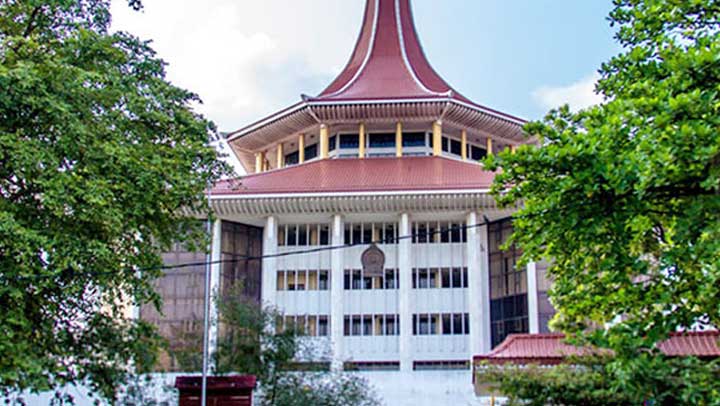
The Cabinet of President Anura Kumara Dissanayake has approved a proposal to extend the mandatory retirement age of judges across Sri Lanka's judicial system by two years. Under the plan, Supreme Court judges would retire at 67 instead of 65, Court of Appeal judges at 65 instead of 63, High Court judges at 63 instead of 61, and District Court judges and magistrates at 62 instead of 60. The government framed the initiative as a practical response to systemic challenges, including a backlog of approximately 1.1 million pending cases and a shortage of experienced judicial officers caused partly by economic crisis-related departures.
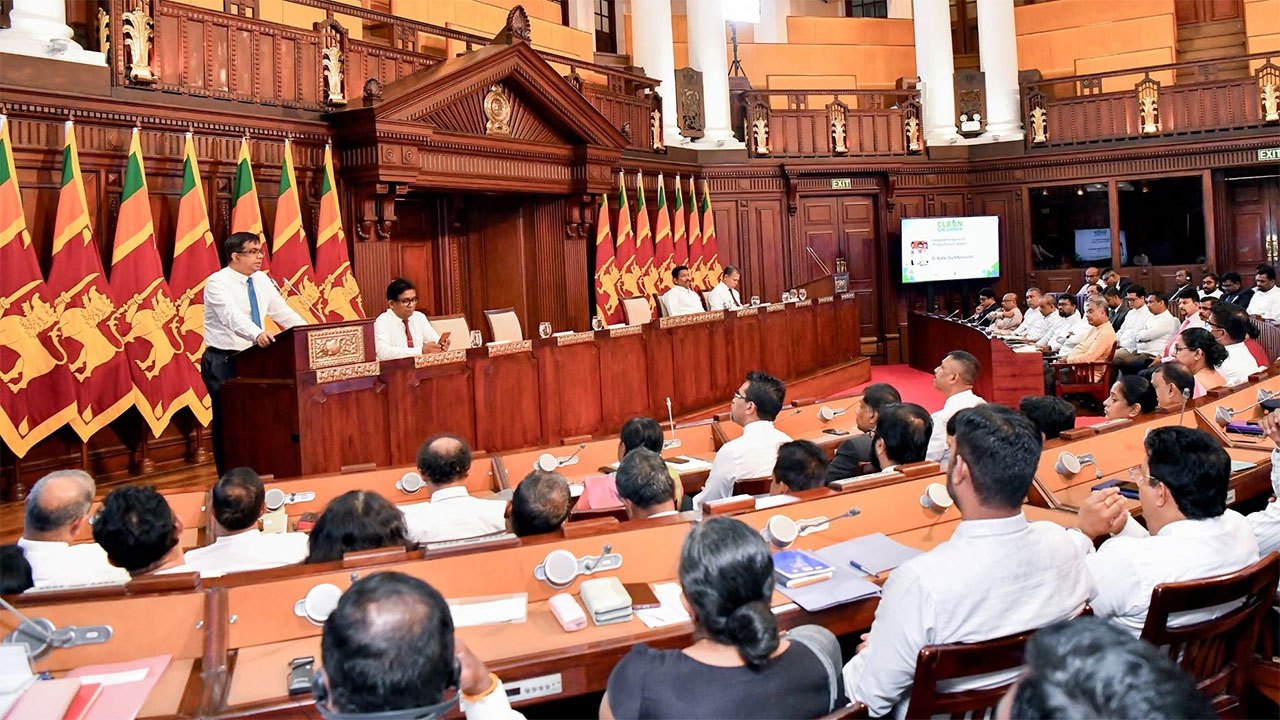
The proposal has triggered unusually coordinated resistance from the legal profession. The Bar Association of Sri Lanka (BASL), representing over 26,000 attorneys, led the opposition after a special general meeting of approximately 3,000 lawyers unanimously rejected the amendment in its current form. BASL President Rajeev Amarasuriya characterized the move as "unethical" and a threat to judicial independence. The association's primary concern centers on the risk that altering retirement ages of sitting judges could create the perception of executive interference in the judiciary, potentially undermining public trust. BASL also criticized the government for developing the proposal without substantive consultation with key stakeholders, including the judiciary and the legal profession itself, despite earlier letters expressing concerns.
While the government insists the extension applies uniformly across all judicial ranks, critics have linked the timing to the impending retirement of Chief Justice Preethi Padman Surasena, with some labeling it the "Surasena Amendment." BASL has acknowledged that this timing fuels perceptions of personalized legislation. The association argues that systemic reforms—including better case management, digitalization, and filling existing vacancies through proper constitutional processes—offer more appropriate solutions to court delays than extending tenure rules.
The proposal carries potential economic implications for investor confidence. Legal experts note that perceived threats to judicial independence can raise investment risk premiums, as foreign and domestic investors rely on the courts for contract enforcement and dispute resolution. Sri Lanka, still rebuilding credibility following its 2022 sovereign default, may face heightened caution from investors prioritizing governance quality and rule-of-law indicators. However, if implemented transparently and accompanied by genuine efficiency gains, the amendment could theoretically benefit businesses through faster case disposal. Opposition political parties, international legal bodies including the Commonwealth Lawyers Association, and the Judicial Service Association of Sri Lanka have also voiced concerns about the proposal.
-850003_850x460.jpg)