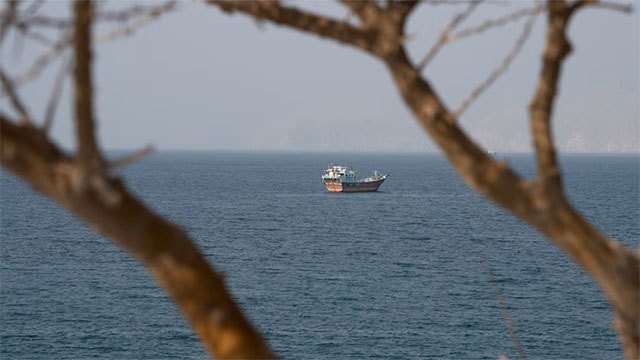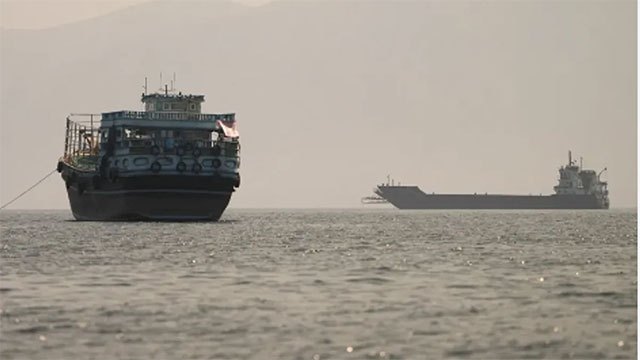
Iran's parliamentary committee has approved a provision allowing the country to charge vessels transiting the Strait of Hormuz for various services, marking a contentious development in ongoing regional tensions.
Iran's National Security and Foreign Policy Committee has approved Article 3 of a proposed "Strategic Action Plan to Ensure the Security and Development of the Strait of Hormuz," which would permit the collection of fees from passing ships. Committee spokesperson Hassan Qashqavi indicated the approval came after the article's consideration had been deferred at an earlier session. The measure would allow Tehran to charge for navigation, environmental services, fuel supplies under certain circumstances, insurance, security provisions, and other maritime services.
According to Qashqavi, fees would be collected exclusively from vessels registered to nations authorized to traverse the waterway, with payments accepted in Iranian rials or other currencies specified by Tehran. Officials maintain the legislation respects international maritime law while safeguarding the rights of coastal states bordering the strait. The proposed law recognizes freedom of navigation under existing international frameworks while emphasizing respect for the security and sovereignty of regional states.
The Strait of Hormuz has emerged as a significant flashpoint during ongoing hostilities between Iran and US-Israeli forces that commenced in February. Previously, the passage operated without tolls as a vital conduit for Gulf petroleum and gas exports. Iran now seeks to retain authority over the route and impose levies, a position the United States opposes. The legislative process in Iran requires the committee's recommendation to advance to full parliamentary debate, where provisions are voted upon individually and collectively. Should parliament approve the measure, it must then be reviewed by the Guardian Council to verify constitutional and Islamic compliance before presidential promulgation.