The United States has announced plans for major new economic sanctions against Iran, with Treasury Secretary Scott Bessent describing the measures as an "economic D-Day." Iran has responded by threatening to halt all oil exports from the Gulf region if the economic pressure continues.
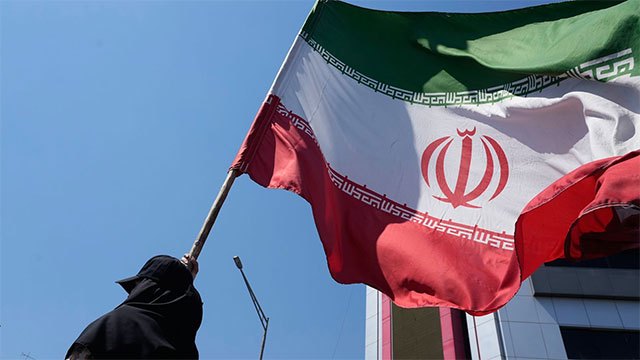
The United States is set to impose what it describes as unprecedented financial measures against Iran on Monday, targeting the country's trade relationships and economic partners. Treasury Secretary Scott Bessent characterized the incoming sanctions as "the single greatest financial offensive ever marshalled against an adversary" in remarks published Sunday. The announcement signals an escalation in economic pressure following months of military conflict between the U.S., Israel, and Iran that has resulted in thousands of deaths.
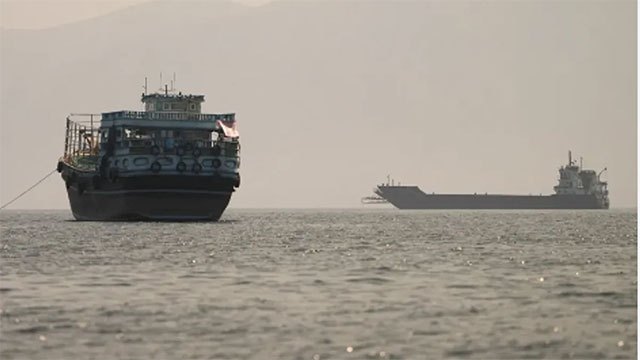
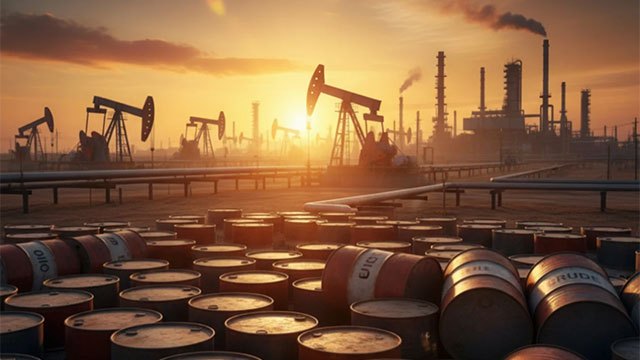
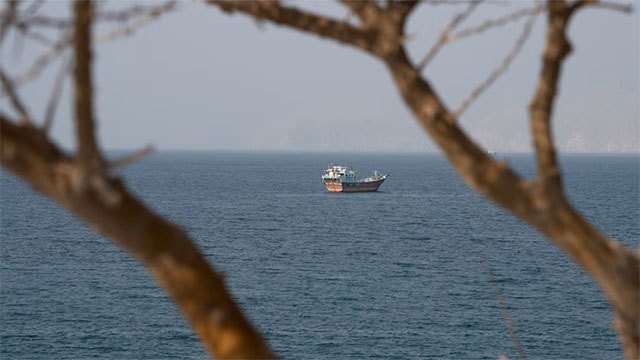
In response, Iranian officials have issued strong counterstatements. Mohsen Rezaei, secretary of Iran's Supreme National Security Council, warned that Iran would cease all oil exports through the Strait of Hormuz and the Persian Gulf if economic pressure persists. He also indicated that any nation cooperating with American sanctions would be regarded as supporting an act of war against Iran. The threat to halt exports carries significant implications for global energy markets, as the Strait of Hormuz remains a critical shipping corridor.
The escalating rhetoric comes amid a six-month conflict during which U.S. and Israeli forces have conducted strikes degrading Iran's military infrastructure. While direct military engagement has paused in recent weeks, the two sides have not engaged in substantive negotiations. Pakistan's army chief is scheduled to visit Tehran on Monday as part of ongoing diplomatic efforts by regional mediators including Qatar and Turkey. China's embassy in Washington responded to the sanctions announcement by calling for dialogue rather than economic pressure, stating that "sanctions and pressure do not help resolve the problem."
Iran's economy was already strained before the recent military campaign, facing high inflation, currency weakness, and existing international sanctions. Officials have cautioned that additional economic punishment could deepen public hardship and further undermine the government's legitimacy.