Sri Lanka's Parliamentary Caucus for Persons with Disabilities has formally submitted 234 budget proposals and six policy recommendations aimed at embedding disability inclusion across all government sectors in the upcoming 2027 National Budget.
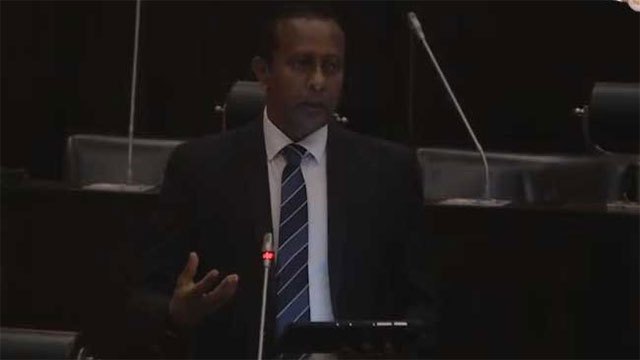
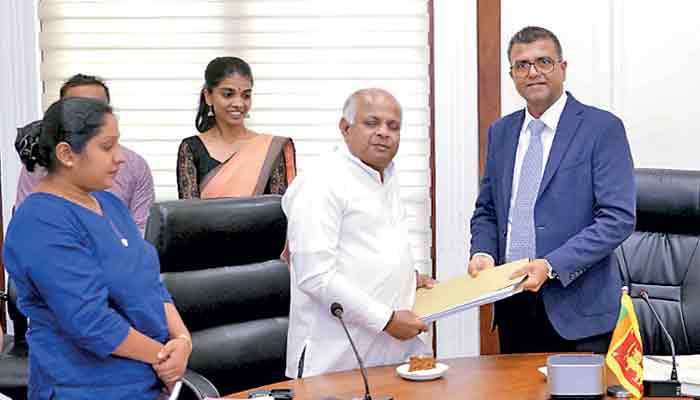
The Parliamentary Caucus for Persons with Disabilities, chaired by MP Sugath Wasantha de Silva, has officially handed over a comprehensive set of budget recommendations to both the President's office and the Treasury following the country's first national participatory budget consultations with persons with disabilities. The consultations, held in May 2026, brought together disability representatives and stakeholders to identify priority areas for government investment and policy reform.
The submission comprises 234 individual budget proposals targeting various government ministries and independent commissions, alongside six overarching policy recommendations aligned with the Government's "Leaving No One Behind" framework. These priorities include establishing disability inclusion focal points across all public institutions, creating a five-year national disability inclusion investment framework spanning education, healthcare, transport, and employment, and ensuring accessible digital public services through international web standards. The recommendations also call for disability-friendly tourism development, enhanced social welfare schemes for persons requiring high-support care, and maintenance of the Rs. 1 billion accessibility infrastructure allocation from the 2026 Budget.
MP de Silva emphasised that the initiative represents a significant step toward translating policy commitments into concrete action. Government officials who received the proposals reaffirmed their commitment to advancing disability inclusion and indicated that several policy decisions have already been implemented to strengthen participation of persons with disabilities in national development.
The Parliamentary Caucus described the submission as one of the most comprehensive disability-focused budget efforts undertaken in Sri Lanka, demonstrating the value of direct engagement with affected communities in national decision-making. The initiative received support from the International Foundation for Electoral Systems (IFES) Sri Lanka, with funding from the Australian Government.