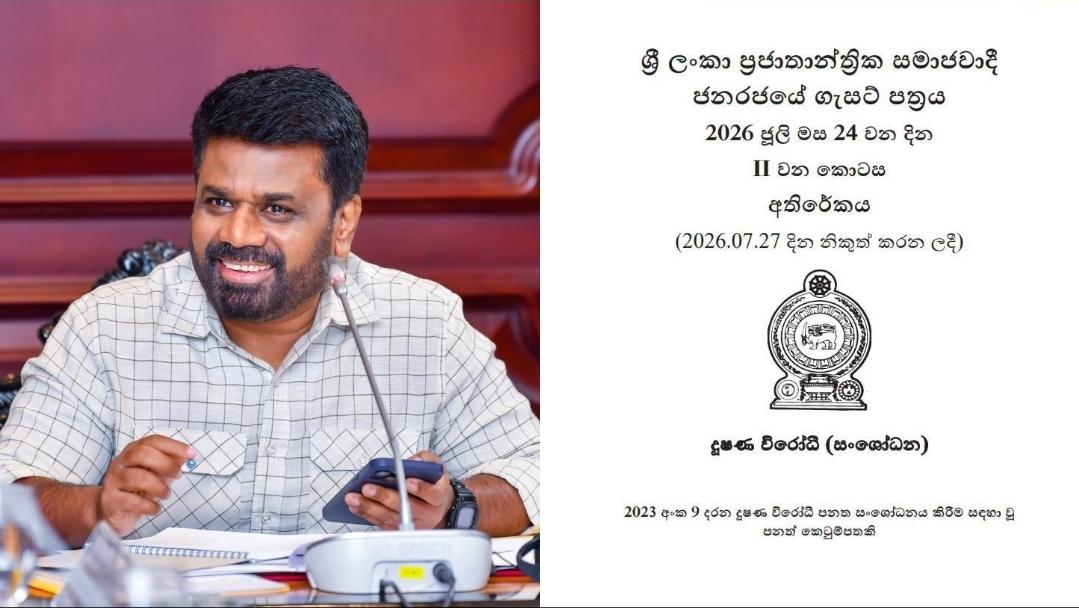
President Anura Kumara Dissanayake has directed officials to revise proposed amendments to the Anti-Corruption Act to ensure that asset declarations filed by elected representatives remain publicly accessible, while addressing privacy concerns for non-political individuals.
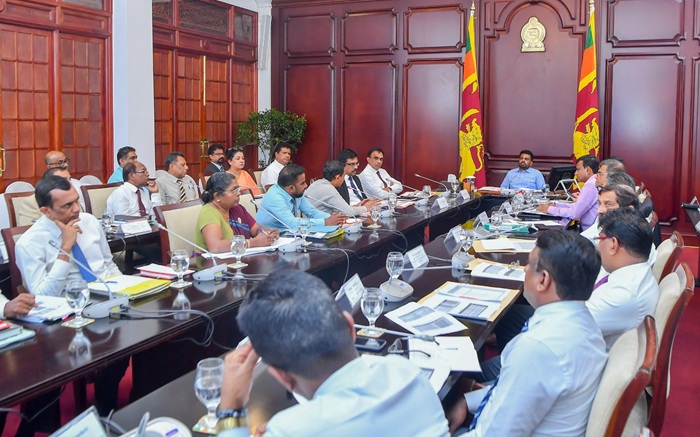
President Anura Kumara Dissanayake has intervened in the legislative process surrounding Sri Lanka's Anti-Corruption Act, instructing government officials to revise proposed amendments that would have altered how asset declarations are handled. According to a senior government official, the President's directive aims to preserve public transparency regarding politicians' financial disclosures while accommodating legitimate privacy concerns from other sectors.
The original amendment proposal, published in the Gazette on July 24, 2026, sought to modify the asset declaration framework established under the Anti-Corruption Act of 2023. The proposed changes emerged partly due to practical considerations, with approximately 160,000 asset declarations anticipated to be filed under the law. Additionally, private sector professionals serving on government boards had raised concerns that mandatory public disclosure of their declarations could constitute an invasion of privacy.
Under the President's revised instructions, politicians and elected representatives will continue to have their asset declarations made available for public scrutiny. This approach maintains the accountability mechanism that allows citizens to examine the assets and liabilities of public officials. Simultaneously, the amended framework will introduce alternative arrangements for other categories of individuals required to submit declarations under the legislation, thereby protecting their privacy rights.
Government officials are expected to present the revised amendment following these presidential directions. The move reflects an effort to balance competing interests: ensuring governmental transparency and public oversight of political figures while recognizing privacy protections for non-elected individuals participating in governance structures.