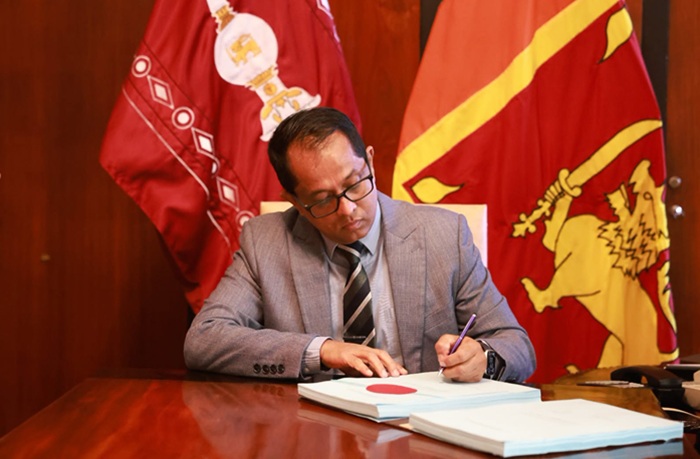
Speaker Dr. Jagath Wickramaratne has certified three landmark financial reform bills that strengthen Sri Lanka's legal framework against money laundering, terrorist financing, and proliferation financing, bringing the country into closer alignment with international standards.
Parliament has officially enacted three significant pieces of financial legislation aimed at bolstering Sri Lanka's anti-corruption and financial security measures. Speaker Dr. Jagath Wickramaratne certified the Prevention of Money Laundering (Amendment) Act, the Financial Transactions Reporting (Amendment) Act, and the Convention on the Suppression of Terrorist Financing (Amendment) Act, all passed during the current parliamentary session.
The Prevention of Money Laundering bill, which passed on July 9 following a Supreme Court ruling on a specific clause, introduces substantial changes to how financial crimes are prosecuted. The amendments expand the definition of money laundering offences, permit legal proceedings to move forward without requiring a prior conviction on an underlying predicate crime, and grant authorities enhanced powers to freeze and confiscate assets. The legislation also increases criminal penalties and broadens investigative capabilities while facilitating greater international cooperation on financial crimes.
The Financial Transactions Reporting bill, passed with certain amendments, updates Sri Lanka's compliance framework to meet global standards on money laundering and terrorist financing prevention. Key provisions include new risk-based assessment requirements for financial institutions and enhanced customer verification procedures. The law now designates Virtual Asset Service Providers as regulated financial entities and extends the period for transaction suspension orders from seven to fourteen working days. A new National Committee on Anti-Money Laundering and Counter-Terrorism Financing has been established to coordinate implementation efforts.
Parliamentary statements indicate these reforms are designed to protect Sri Lanka's financial system integrity, strengthen national security, and fulfill international obligations. The changes also position the country favorably for its upcoming evaluation by the Financial Action Task Force, an international body that assesses compliance with anti-money laundering and counter-terrorism financing standards.