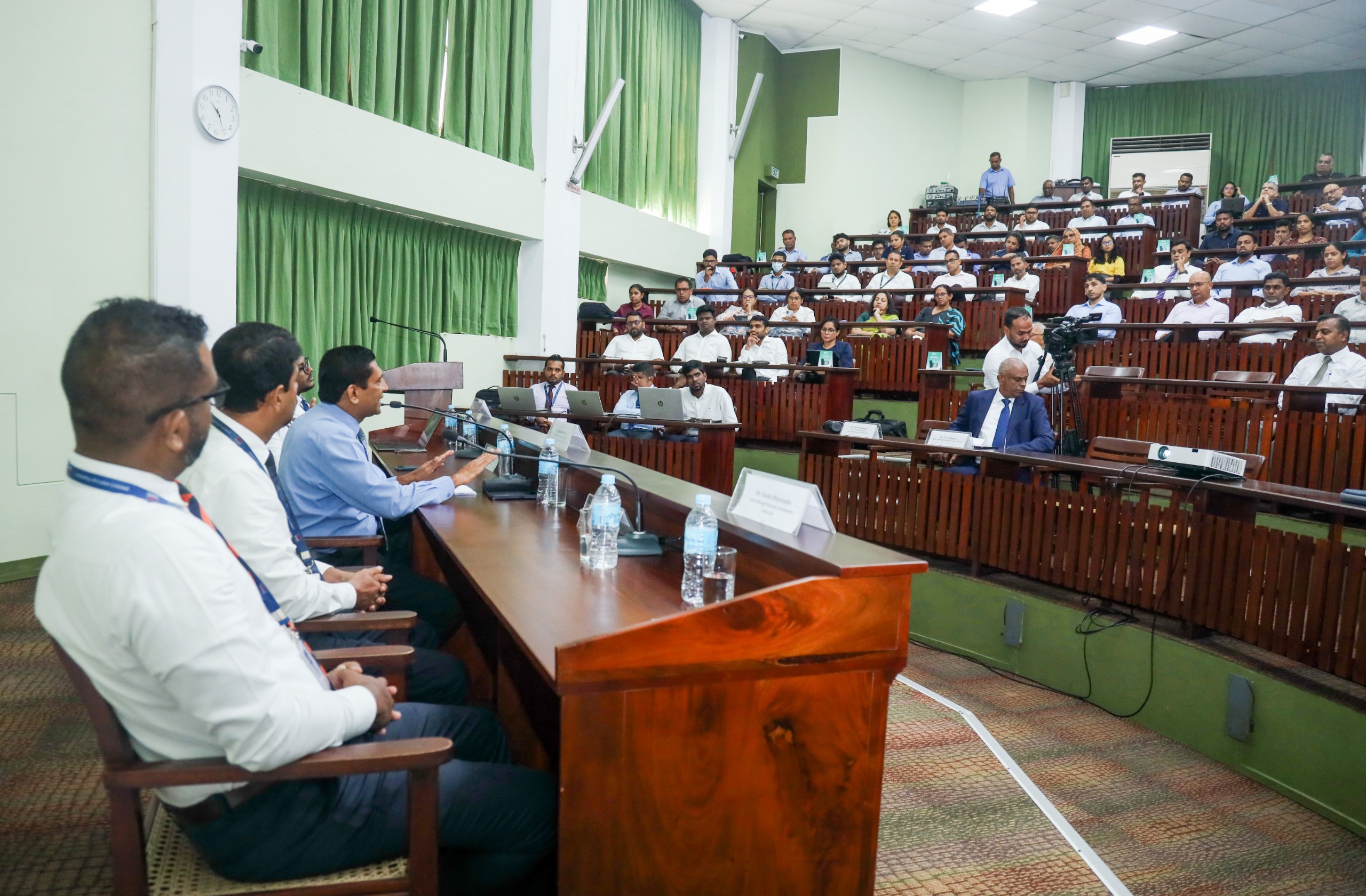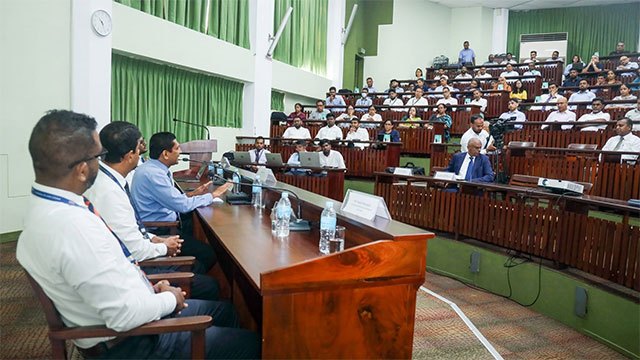

The United Nations Food and Agriculture Organization, partnering with Sri Lanka's government and Hatton National Bank, has launched a nationwide competition inviting university students to develop solutions for the country's agrifood system challenges.
A new initiative designed to engage Sri Lankan university students in addressing agricultural challenges has been officially launched by the Food and Agriculture Organization (FAO), the Ministry of Education, and Hatton National Bank. The World Food Day 2026 Youth Innovation Challenge seeks to leverage the creativity and entrepreneurial capabilities of young people to create practical and scalable solutions for the country's food systems, according to FAO Representative Vimlendra Sharan.
The competition will operate through multiple stages, beginning with a nationwide call for concept notes from multidisciplinary teams across state and private universities. Following initial evaluation, approximately 25 teams will advance to an online pitching round, with the top 10 selected to develop working prototypes under guidance from technical experts and industry specialists. Sri Lanka's agrifood sector currently grapples with numerous issues, including post-harvest losses, climate-related pressures, inefficient water management, pest and disease outbreaks, weak market connections, fisheries spoilage, and constraints affecting affordable aquaculture operations.
The challenge has secured support from multiple government ministries and a broad network of technical collaborators, including the Sri Lanka Inventors Commission, the Institute of Electrical and Electronics Engineers, and the National Innovation Agency. Finalists will showcase their innovations during the national World Food Day celebrations on October 16, with this year's theme being "Innovate Today – Nourish Tomorrow." The top five teams will present before a panel of judges and potential investors, with the leading three teams receiving cash awards and all finalists receiving national recognition and networking opportunities with government, academia, and private sector stakeholders.