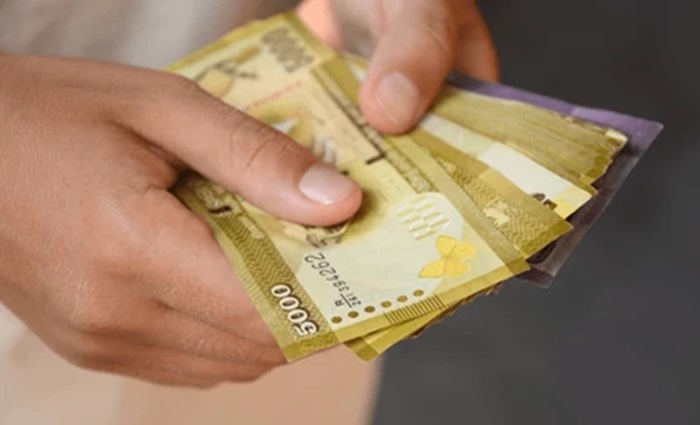
Sri Lanka's currency has stabilized and strengthened to 334.90/335.00 against the US dollar, while foreign investors have poured over 71 billion rupees into government securities in recent weeks. However, the economy continues to navigate challenges including higher debt and volatile global conditions.
Sri Lanka's rupee traded stronger on Tuesday at 334.90/335.00 to the US dollar, recovering from a near three-year low of 354 reached in May following Middle East tensions and elevated fuel and vehicle import demands. The currency's stabilization has triggered renewed foreign investor confidence, with non-residents purchasing a net 71.7 billion rupees worth of government bonds over eight consecutive weeks through early August, according to Central Bank data. This represents the highest foreign holding figure the Central Bank has published in its Weekly Economic Indicators, though officials noted the figure fluctuates daily.
The Central Bank's aggressive foreign exchange management has supported the recovery. The institution purchased a net US$348.6 million in July and has accumulated US$905 million in net purchases during the first seven months of 2026, continuing efforts to rebuild reserves and meet commitments under the IMF's US$3 billion external financing facility. This reserve-building strategy is particularly important as the country prepares for sovereign bond repayments scheduled for April 2028.
Worker remittances also demonstrated recovery, climbing 11.5 percent to US$777.6 million in July and reaching US$5.38 billion for the first seven months of 2026, a 21.4 percent increase year-on-year. Analysts attribute the resurgence partly to currency stability, as exchange rate uncertainty previously encouraged expatriates to use informal money transfer channels. Meanwhile, domestic equity markets posted modest gains, with the All Share Price Index rising 0.16 percent on Tuesday, though bond yields continued declining across shorter tenors, reflecting improved market sentiment.
Despite these positive indicators, challenges remain. Royal Ceramics Lanka reported a 56.1 percent profit increase for the second quarter, yet its debt burden grew to 20.80 billion rupees from 19.01 billion rupees annually. Market analysts caution that while deflationary policies attracted foreign investment, recent fuel price increases have begun raising inflationary pressures, prompting the Central Bank to raise its policy rate by 100 basis points in May.