The opposition is demanding that all 13 sitting Supreme Court justices hear petitions challenging the 22nd Amendment to the Constitution, citing previous judicial precedent requiring referendums for changes affecting judicial retirement ages.
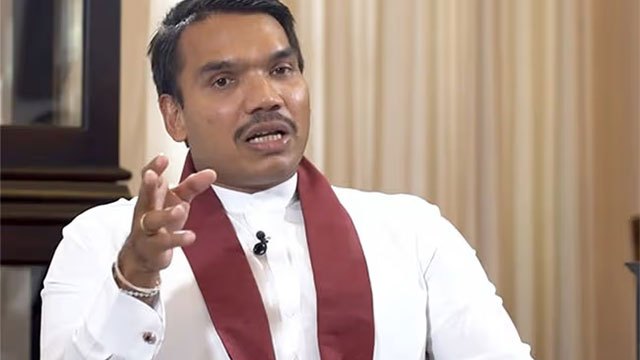
The opposition has escalated its challenge to the 22nd Amendment, with former External Affairs Minister Prof. G. L. Peiris demanding that the entire bench of sitting Supreme Court justices adjudicate petitions against the constitutional change. Speaking at a media briefing on August 20, Prof. Peiris argued that decisions regarding amendments affecting the judiciary should involve all available judges rather than a smaller panel.
Peiris cited two earlier Supreme Court judgements establishing that alterations to retirement ages of superior court judges should be subject to public referendum. He emphasized that the opposition remains confident the government cannot exert undue influence over the judiciary, despite concerns raised about the amendment's implications.
The amendment has drawn international scrutiny. UN Special Rapporteur on judicial independence Margaret Satterthwaite sent a letter to President Anura Kumara Dissanayake on August 7, warning the government to abandon the process or risk consequences. Peiris characterized the government's advancement of the measure as damaging to national interests, potentially complicating Sri Lanka's position regarding ongoing UN investigations into alleged war crimes.
The opposition contends that the government's actions undermine public confidence in the judiciary at a time when institutional credibility remains fragile. According to Peiris, restoring faith in the courts will require considerable time and effort if the amendment proceeds. The Supreme Court currently comprises 17 justices including the Chief Justice, while the Court of Appeal has 20 justices.