Sri Lanka's Central Bank expects no further interest rate increases this year following its surprise May hike, with officials indicating inflation should peak around current levels before easing toward the 5 percent target in 2026.
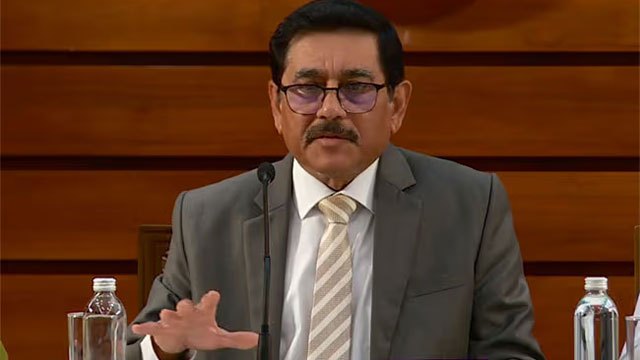
The Central Bank of Sri Lanka (CBSL) does not anticipate raising interest rates further in 2025 after implementing an unexpected 100 basis-point increase in May, according to Governor P. Nandalal Weerasinghe. The governor described the May move as a proactive step to counter inflation, which the bank had projected would reach 7 percent. He indicated that future monetary policy decisions would depend on whether inflation deviates from these expectations, stating the bank has not observed significant departures so far.
Inflation climbed to 7.3 percent in July, the highest rate in three years, driven primarily by elevated energy costs stemming from regional geopolitical tensions affecting global oil supplies. Some analysts project the rate could further increase to 8 percent by November. However, Governor Weerasinghe expects the effects of the May rate increase to fully materialize over 12 to 18 months, with inflation returning to the central bank's 5 percent target in the first half of 2026. The CBSL's benchmark rate remains at 8.75 percent, with the next rate announcement scheduled for September 30.
The rate decision reflects tensions between inflation control and economic growth. While the International Monetary Fund supported the May hike and approved release of $695 million from its program, analysts have warned that tightening monetary policy could jeopardize Sri Lanka's recovery. The economy expanded 5 percent in both 2024 and 2025 following a severe 7.3 percent contraction in 2022. Governor Weerasinghe anticipates growth will moderate to the 4-5 percent range, asserting that maintaining low inflation is essential for sustainable future expansion.
Meanwhile, the Central Bank continues prioritizing foreign exchange reserves accumulation, targeting $8 billion by year-end from approximately $6.6 billion currently, as rising fuel import costs threaten Sri Lanka's external position.