Médecins Sans Frontières South Asia convened its fourth Health and Humanity Summit in Colombo, bringing together policymakers and humanitarian experts to discuss how aid organisations can navigate geopolitical shifts, climate emergencies and evolving health crises while upholding core principles.
The fourth edition of Médecins Sans Frontières (MSF) South Asia's Health and Humanity Summit took place in Colombo, assembling policymakers, health professionals, humanitarian workers and civil society representatives to examine the future direction of humanitarian action. The event operated under the banner "Envisioning the Future of Humanitarianism," with discussions centred on how aid responses must adapt to geopolitical instability, climate-related disasters, growing inequality and shifting global health priorities.
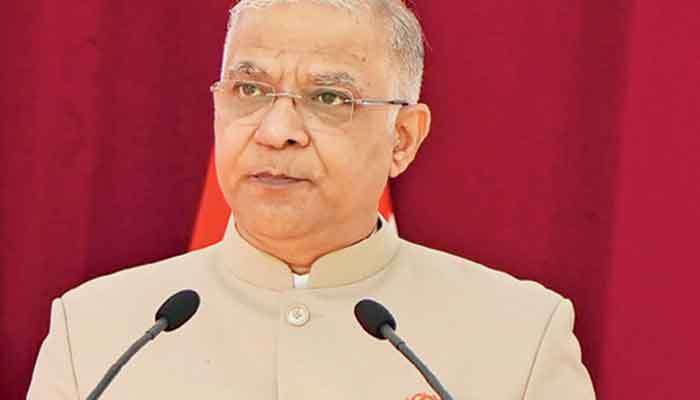
MSF South Asia Executive Director Parthesarathy Rajendran characterised humanitarian action as being at a pivotal juncture, noting that the landscape for delivering aid has fundamentally altered in terms of crisis patterns, funding mechanisms and decision-making influence. He emphasised that regardless of these transformations, the principle that all individuals deserve accessible, quality healthcare must remain constant, independent of political considerations or geographic location. Rajendran advocated for humanitarian systems to become more inclusive, community-driven and attentive to gender dimensions, while strengthening international cooperation.
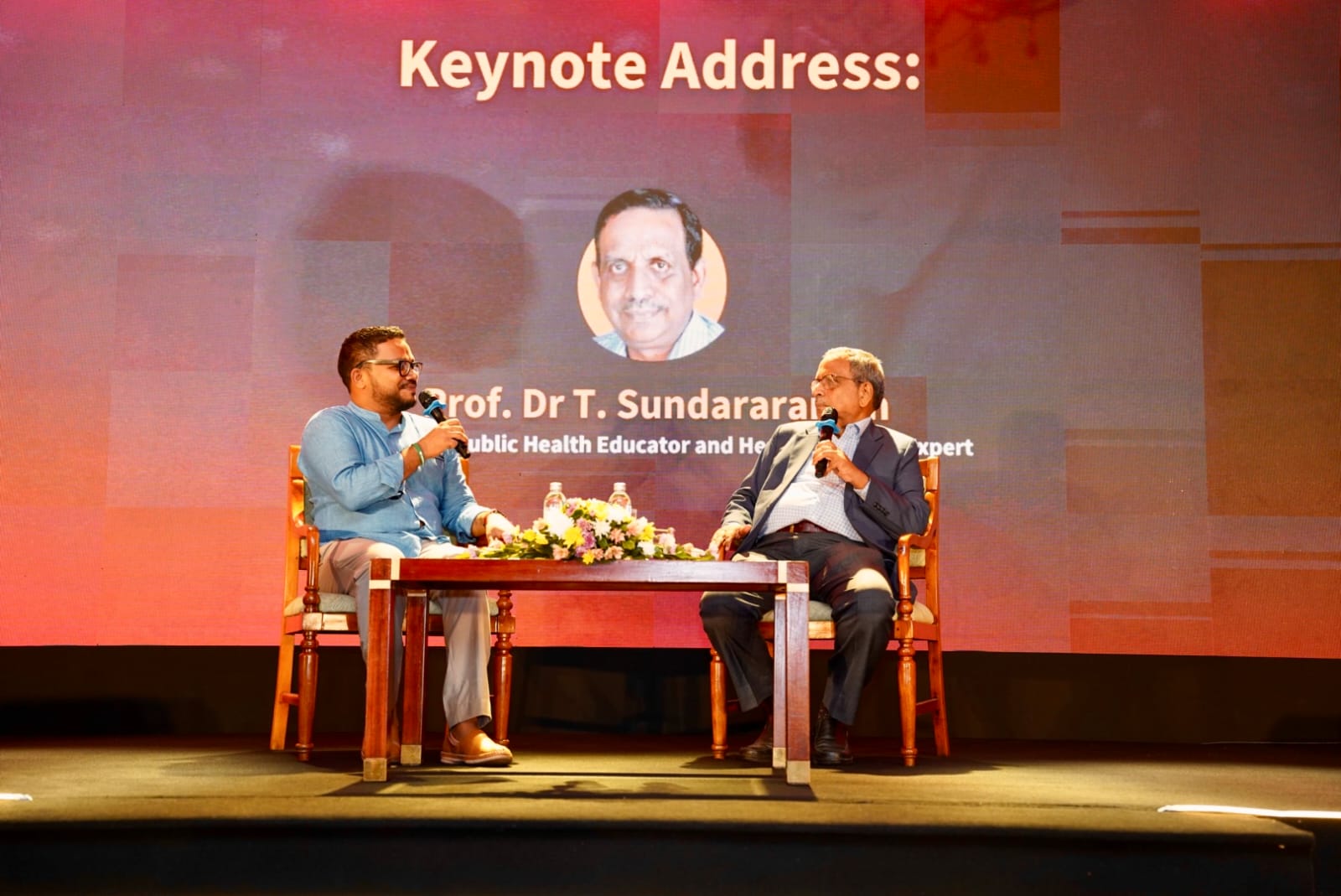
The summit organised discussions around three central themes: restructuring humanitarian and health systems, advancing women's roles in global health leadership, and ensuring healthcare autonomy and equitable access. Conversations encompassed humanitarian financing models, the increasing relevance of emerging economies in the Global South, obstacles preventing women from assuming leadership positions, and strengthened regional collaboration to enhance availability of medicines, vaccines and health technologies. Field workers shared firsthand accounts from conflict and crisis zones, while speakers included global health systems specialist Prof. Dr. T. Sundararaman and WHO's Sri Lanka representative.
MSF South Asia introduced a local branch of its "Friends of MSF" programme, a university-based student initiative designed to educate young people about humanitarian principles, health equity, social justice and crisis management. The summit ultimately aimed to establish pathways toward constructing humanitarian frameworks that better represent affected populations, maintain accountability and effectively respond to contemporary global pressures.