Iran's top negotiator has stated that the strategically vital Strait of Hormuz will remain closed until the United States fulfills commitments including removing its naval blockade, lifting oil sanctions, and unfreezing Iranian assets.
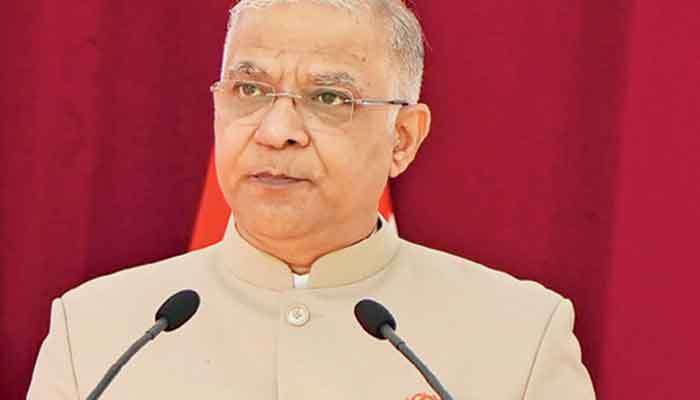
Iran's chief negotiator Mohammad Bagher Ghalibaf declared on Tuesday that passage through the Strait of Hormuz depends on the United States meeting several conditions outlined in a June memorandum of understanding that subsequently fell apart. Among Tehran's demands are the removal of the American naval blockade, the lifting of oil-related sanctions, and the release of frozen Iranian assets held internationally.
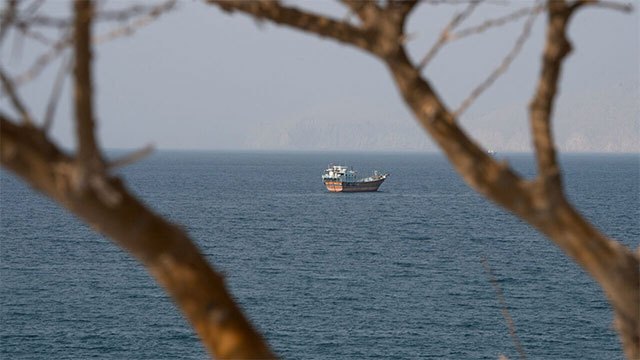
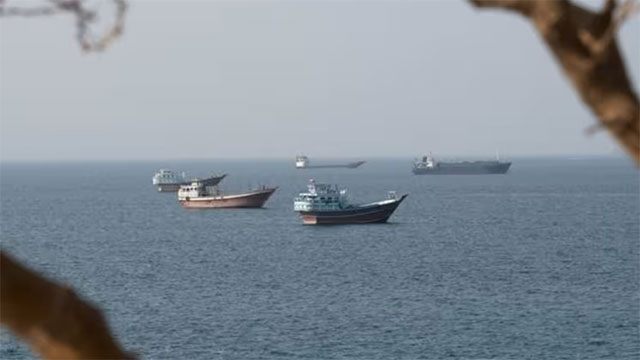
The standoff reflects escalating tensions that intensified following military conflicts beginning in late February, when US-Israeli operations targeted Iranian facilities. Since then, despite a ceasefire arranged in mid-April that halted major bombardments, sporadic clashes have continued in the region, particularly near the waterway. Iran has maintained control of the strait since hostilities commenced, implementing a system requiring foreign vessels to obtain permission and pay transit fees—measures the United States and several neighbouring countries have opposed.
Current diplomatic efforts centre on negotiations between Iran and Oman, both bordering the Strait of Hormuz. According to Iranian statements, both nations have agreed on geographical coordinates for a shipping route, with discussions described as progressing toward drafting a joint statement. Meanwhile, US President Donald Trump has publicly threatened military action against Oman should it obstruct negotiations, while urging Iran to surrender and calling the conflict a mounting domestic political challenge.
Ghalibaf responded to external pressure by emphasizing Iran's military readiness, stating the nation stood prepared to deliver "an even more crushing defeat" proportionate to any adversarial actions. The dispute over the Strait of Hormuz remains unresolved, with the waterway's status as a critical global energy passage adding significance to the deadlock.