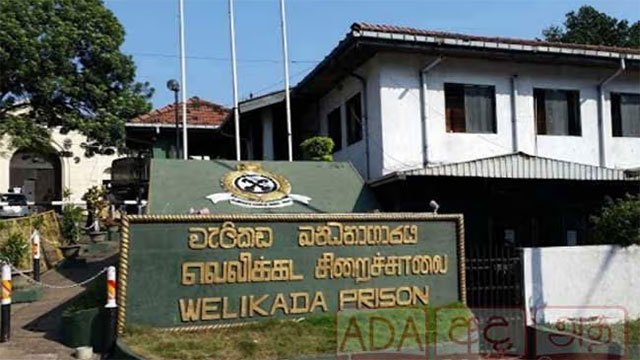
A parliamentary oversight committee has called for strengthened drug rehabilitation programmes as a strategy to address overcrowding in Sri Lankan prisons, noting that current resources are insufficient to meet demand.
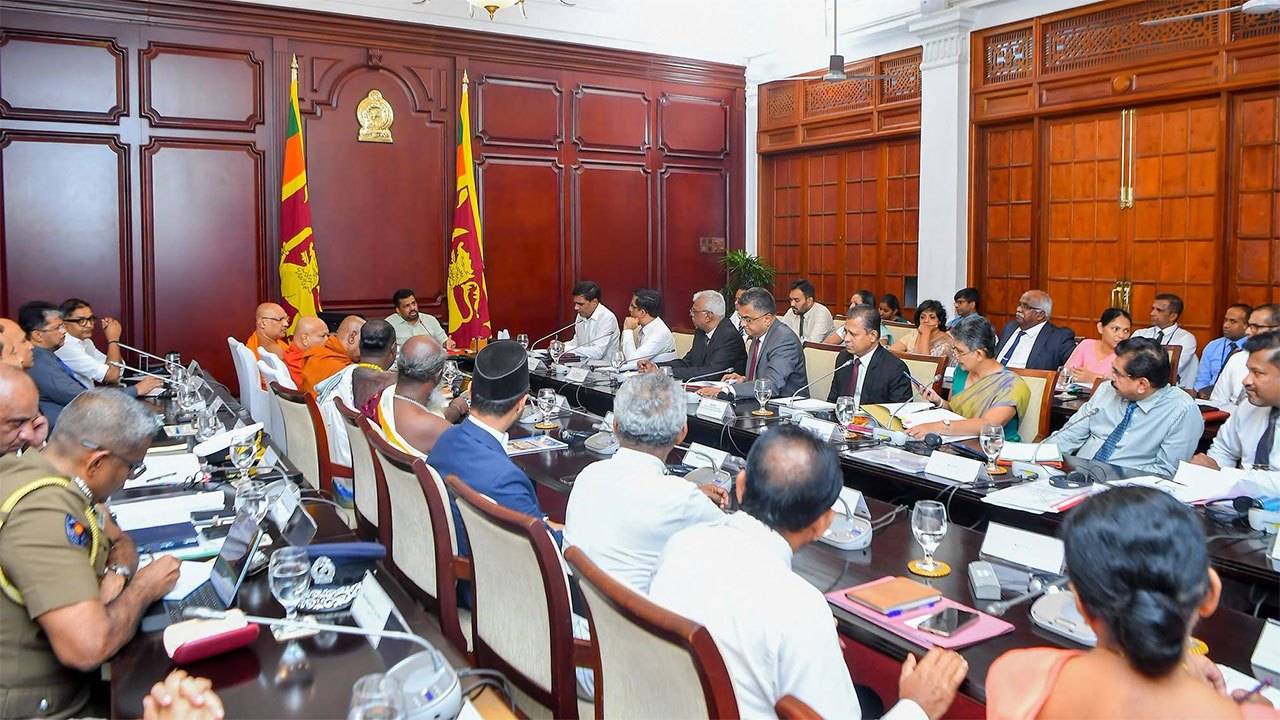
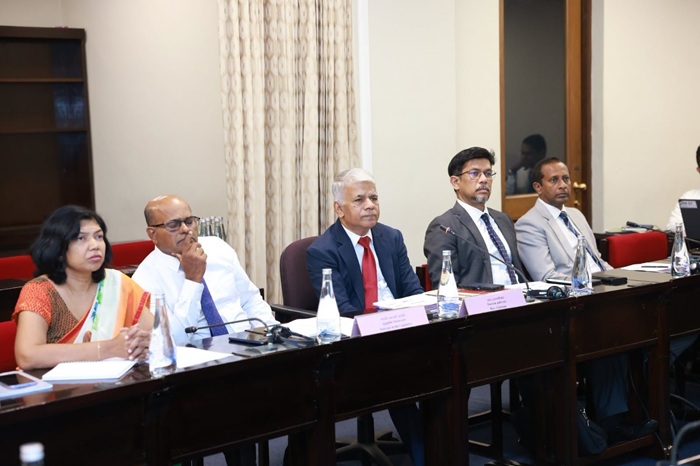
The Sectoral Oversight Committee on Governance, Justice and Civil Protection has recommended expanding drug rehabilitation initiatives to tackle mounting pressure within the country's correctional system. The committee, chaired by Member of Parliament Dr. Najith Indika, heard from representatives of multiple agencies including the Department of Prisons, Department of Community Based Corrections, Bureau of Rehabilitation and the National Dangerous Drugs Control Board regarding existing rehabilitation efforts.
Current rehabilitation programmes serve individuals referred through court orders as well as those seeking treatment voluntarily. According to prison officials, approximately 1,506 of the 4,962 inmates currently imprisoned for drug-related convictions are participating in rehabilitation initiatives. However, officials acknowledged that available resources fall short of what is needed to accommodate all eligible prisoners across various offence categories.
In response to these constraints, the National Dangerous Drugs Control Board indicated that steps are underway to broaden rehabilitation services, expand staffing levels and strengthen programming at the divisional level nationwide. During discussions, committee members highlighted additional obstacles faced by individuals who have completed rehabilitation, including reintegration challenges and complications in securing certificates of good character for employment purposes.
The committee emphasised the importance of legislative reforms to enhance and streamline the rehabilitation framework. These recommendations form part of broader efforts to address prison capacity issues while improving outcomes for individuals struggling with substance abuse.



-850368_850x460.jpg)