

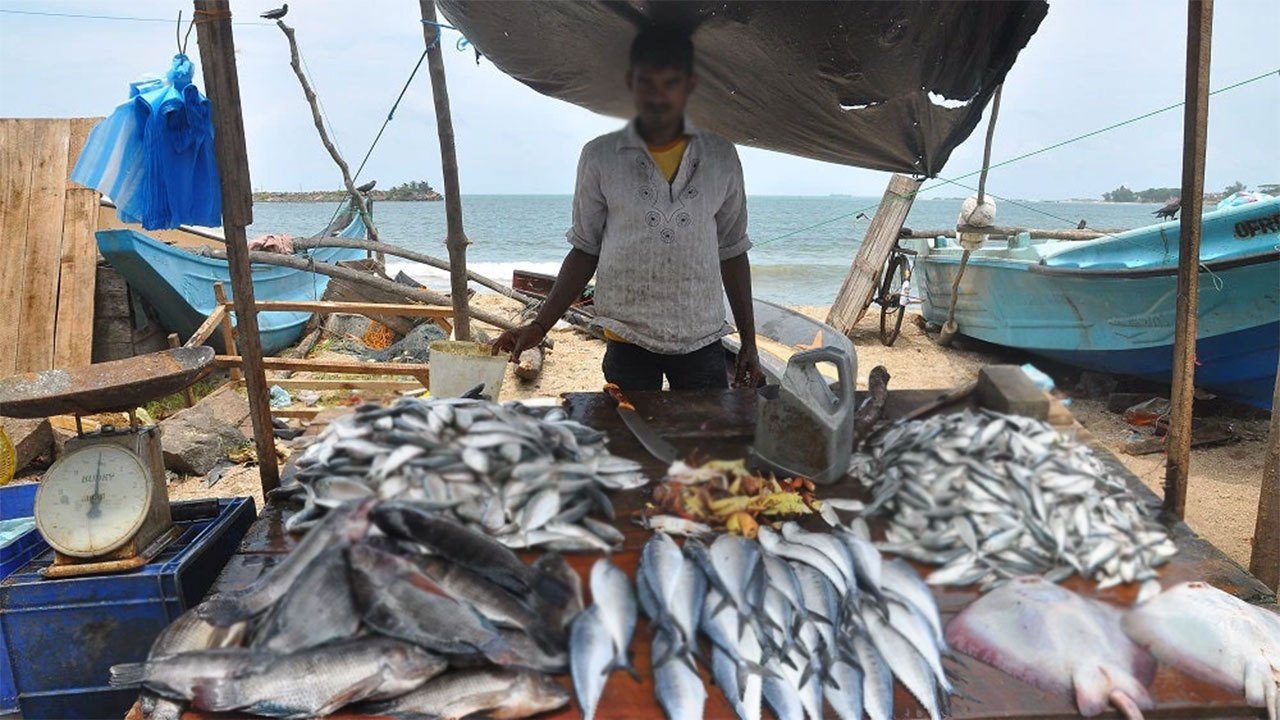
Authorities attribute the gradual reduction in fish harvests from Sri Lankan waters to multiple factors including changes in marine ecosystems, while fishing advocates point to inadequate enforcement against illegal practices.
Fish yields from Sri Lanka's territorial waters have experienced a steady decline over the past decade, according to the National Aquatic Resources Research and Development Agency (NARA). The downward trend became evident from 2014 onwards and continues to present challenges for the country's fishing sector, though the precise causes remain unclear.
NARA Chairman Prof. Sanath Hettiarachchi described the situation as part of a broader global concern affecting marine ecosystems in multiple countries. While researchers have not pinpointed a single definitive cause, changes within biological systems are considered a significant contributing factor. The agency has not yet confirmed whether current El Niño conditions have directly impacted Sri Lanka's fish stocks, though investigations into this possibility remain ongoing.
In response to the declining harvests, authorities are exploring alternative livelihood options for fishing communities and have launched initiatives to promote aquaculture. However, Prof. Hettiarachchi expressed reservations about the progress achieved so far. Conversely, Herman Kumara of the National Fisheries Solidarity Movement (NAFSO) attributes substantial responsibility to weak law enforcement, arguing that inadequate implementation of regulations against illegal and destructive fishing methods has significantly depleted marine resources. The divergence in assessments highlights the complexity of addressing the issue, which appears to involve both natural environmental changes and management challenges.









-852009_850x460.jpg)