India has announced enhanced surveillance of glacial regions in its Himalayan states following a catastrophic glacial collapse on the Tibet-Nepal border that killed hundreds and left thousands missing.
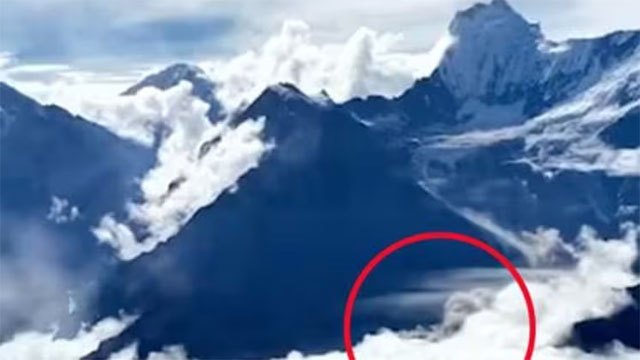
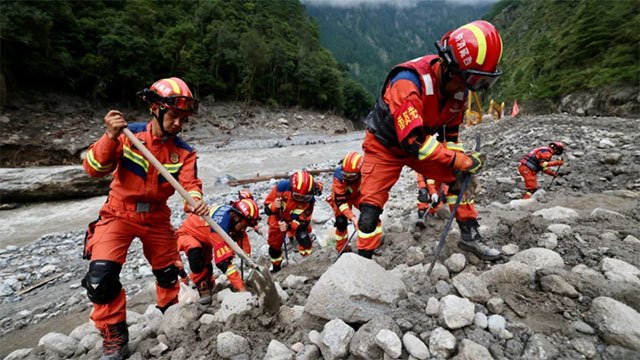
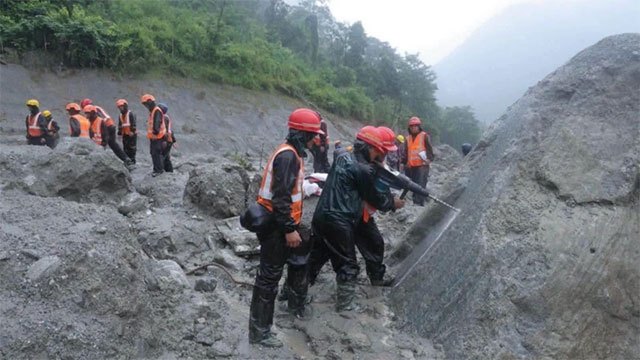
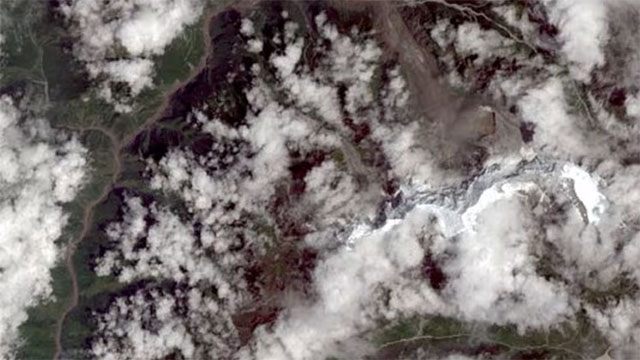
Indian authorities have initiated a comprehensive monitoring programme across Himalayan glacier zones following a devastating disaster on August 26 that triggered massive flooding in the Nepal-Tibet border region. According to the US Geological Survey, the incident resulted from a glacial collapse that unleashed debris flows, with confirmed deaths reaching 682 and approximately 3,000 people reported missing.
Madan Kaushik, the state disaster management minister for Uttarakhand, stated that Indian officials have directed relevant departments to closely monitor all glaciers and glacial lakes within the state, citing India's geographic proximity and shared border with affected areas. Uttarakhand alone contains 1,266 glacial lakes, making it one of India's most ecologically sensitive regions. The minister emphasised that monitoring teams have been instructed to remain vigilant and identify potential risks across the state.
Scientists attribute the increasing frequency of such disasters partly to accelerating glacier melt driven by climate change. Himalayan glaciers, which supply water to nearly two billion people across the region, are melting at unprecedented rates. The melting process destabilises mountain slopes through permafrost thaw, raising landslide risks. While the exact cause of the August 26 collapse remains unclear, experts note that climate change combined with inadequately planned development has substantially increased both the frequency and severity of mountain-related disasters.
The monitoring initiative reflects growing concerns among regional authorities about similar incidents recurring in vulnerable Himalayan communities dependent on glacial water systems.